
How to extend the life of your tyres: methods and tips (2026 edition)
Premature wear, overconsumption, loss of safety: poorly maintained tyres are costly. Discover all the tried and tested methods to extend your tyre life in 2026, reduce your expenses, and drive safely.
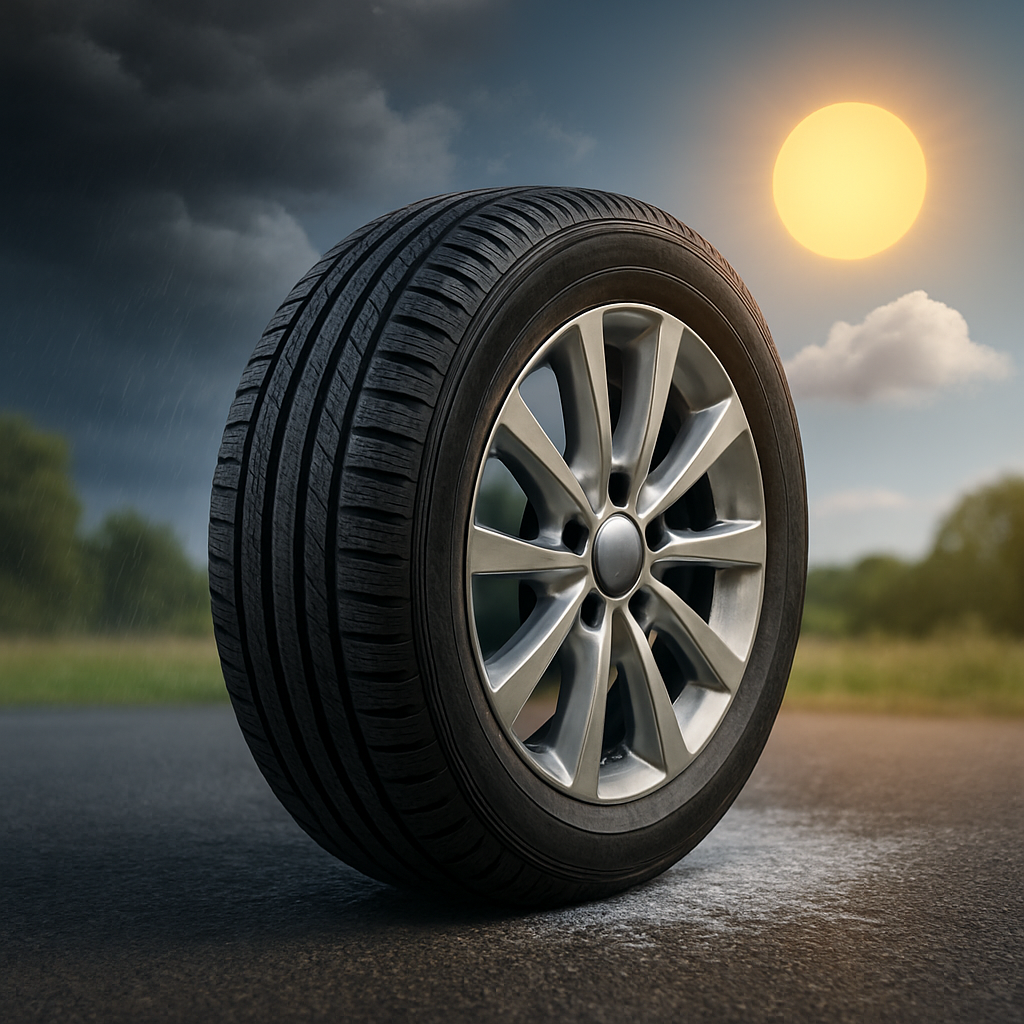
1. What is the normal lifespan of a tyre?
The lifespan of a tyre depends on many factors. On average, a modern passenger tyre can cover between 30,000 and 50,000 km. Some well-maintained premium tyres can exceed 60,000 km, whereas poorly maintained tyres can be worn out in under 20,000 km.
Beyond mileage, age is also a deciding factor: a tyre generally needs to be replaced after 6 to 10 years, even if it appears little worn, due to the ageing of the rubber.
2. The main tyre wear factors
- Incorrect pressure (under-inflation or over-inflation)
- Aggressive driving style
- poor parallelism or geometry
- Vehicle surcharge
- Damaged roads and repeated shocks
- lack of regular maintenance
The good news? The majority of these factors can be controlled by the driver..
3. Correct tyre pressure: the number 1 factor
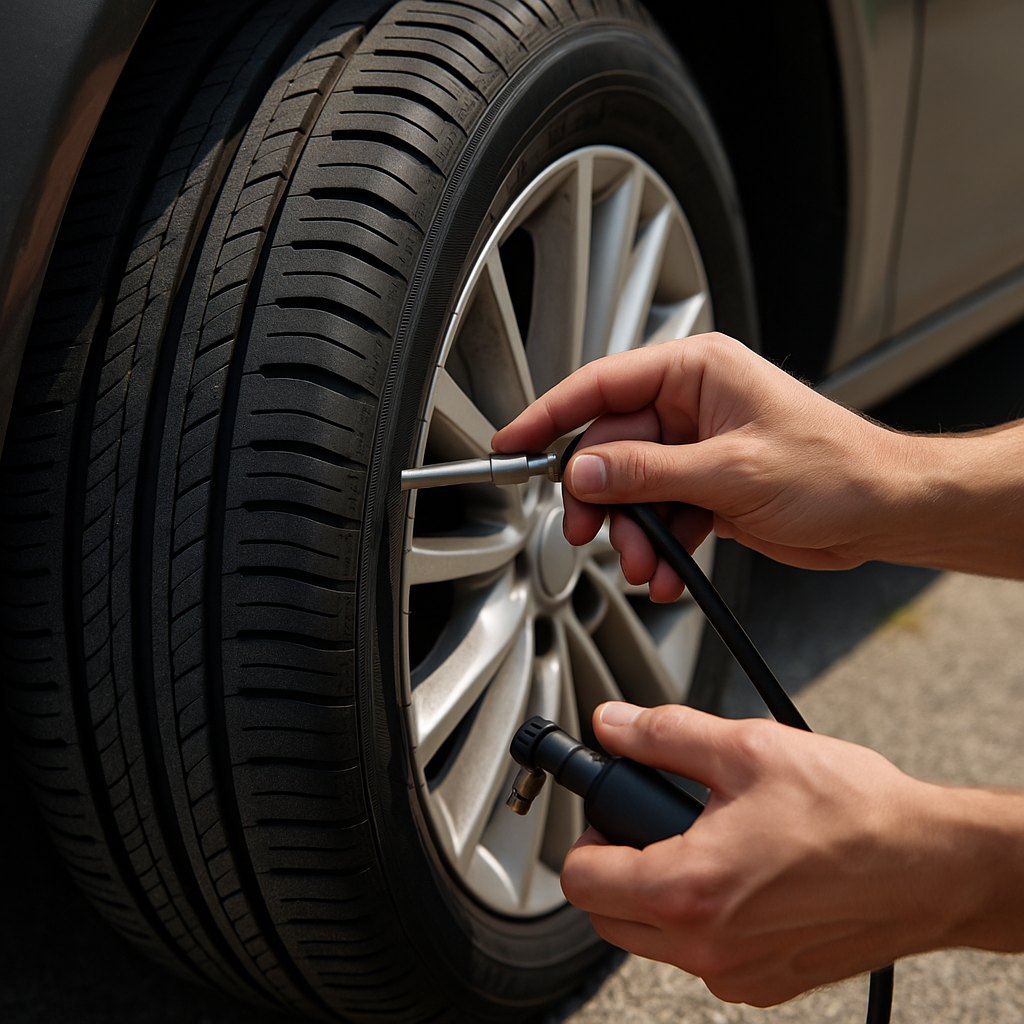
Correct pressure is essential to limit wear and ensure safety. An under-inflated tyre wears out faster on the shoulders, overheats and increases fuel consumption.
- Control the pressure at least once a month
- Always check the tyres cold
- Respect manufacturer's values (door, fuel flap or manual)
- Adjust the pressure for heavy loads or long journeys
4. Adjust your driving style to preserve your tyres
Driving has a direct impact on tyre longevity. Harsh acceleration, late braking and cornering too fast significantly speed up wear.
Best practices
- gentle start
- anticipate braking
- avoid hitting pavements
- reduce speed on degraded roads
5. Regularly maintain your tyres
Regular visual checks help to quickly detect abnormal wear:
- depth of grooves (legal minimum: 1.6 mm)
- irregular wear
- cuts, hernias or fissures
Regular maintenance allows you to act before the tyre becomes dangerous or irreparable.
6. Permutation and geometry: essential levers
Front tyres generally wear out faster than rear tyres. A rotation every 10,000 to 15,000 km allows wear to be balanced.
A geometry check is recommended:
- in case of uneven wear
- after a major shock
- When changing tyres
7. How to store your tyres properly
Improper storage can prematurely degrade tyres.
- Cool, dry place away from light
- avoid sources of heat and ozone
- Tyres fitted: stored flat or suspended
- Unmounted tyres: stored upright and turned regularly
8. Extending the lifespan of tyres on an electric car
Electric vehicles are heavier and deliver instant torque, which accelerates tyre wear.
Specific advice:
- choosing suitable tyres for electric vehicles
- monitor the pressure more frequently
- limit harsh acceleration
- regularly check the alignment
9. Mistakes to absolutely avoid
- Driving for a long time with an underinflated tyre
- Ignore asymmetrical wear
- Mixing very worn tyres with new ones
- postpone the replacement beyond the legal threshold
10. FAQ – Extending the life of your tyres
The main cause of premature tyre wear is incorrect wheel alignment.
Under-inflation is the main cause of premature wear, ahead of driving style and wheel alignment defects.
Do your tyres need changing even if they are not worn out?
Yes. A tyre that is too old (over 6 to 10 years) can lose its properties even if the rubber appears intact.
Do premium tyres really last longer?
Generally, yes. Premium tyres offer better wear resistance and more consistent longevity, provided they are well maintained.
Is tyre rotation really useful?
Yes. It allows for balanced wear between the front and rear, and can extend the overall lifespan of the tyre set.
Conclusion: well-maintained tyres mean more safety and less expense
Extending the life of your tyres is neither complicated nor reserved for experts. The right pressure, smoother driving, regular maintenance and a few key checks are all it takes. to gain several thousand kilometres on a set of tyres, while improving driving safety and comfort.
In 2026, with the rising cost of tyres and the evolution of vehicles (SUVs, hybrids, electric), Looking after your tyres has become a real springboard for savings. A well-used tyre also means lower consumption, less premature wear and a reduced environmental impact.
To go further and adopt good daily habits, Pneus Online provides you with numerous practical guides and technical advice written by tyre specialists.
👉 View all car tyre technical advice from Pneus Online
In summary: Better tyre maintenance means driving for longer, with greater peace of mind, and at the best cost.
You might be interested in these articles:
 Pneumatic Innovations 2025: The Future of the Smart, Sustainable, and Connected Tyre
 Chinese vs European tyres: what are the real differences in 2025?
 What tyres to drive on snow safely? The ultimate 2025 guide
 Continental ContiSportAttack 5: The new supersport motorcycle tyre that redefines performance