Low rolling resistance tyres: towards a new generation in 2026
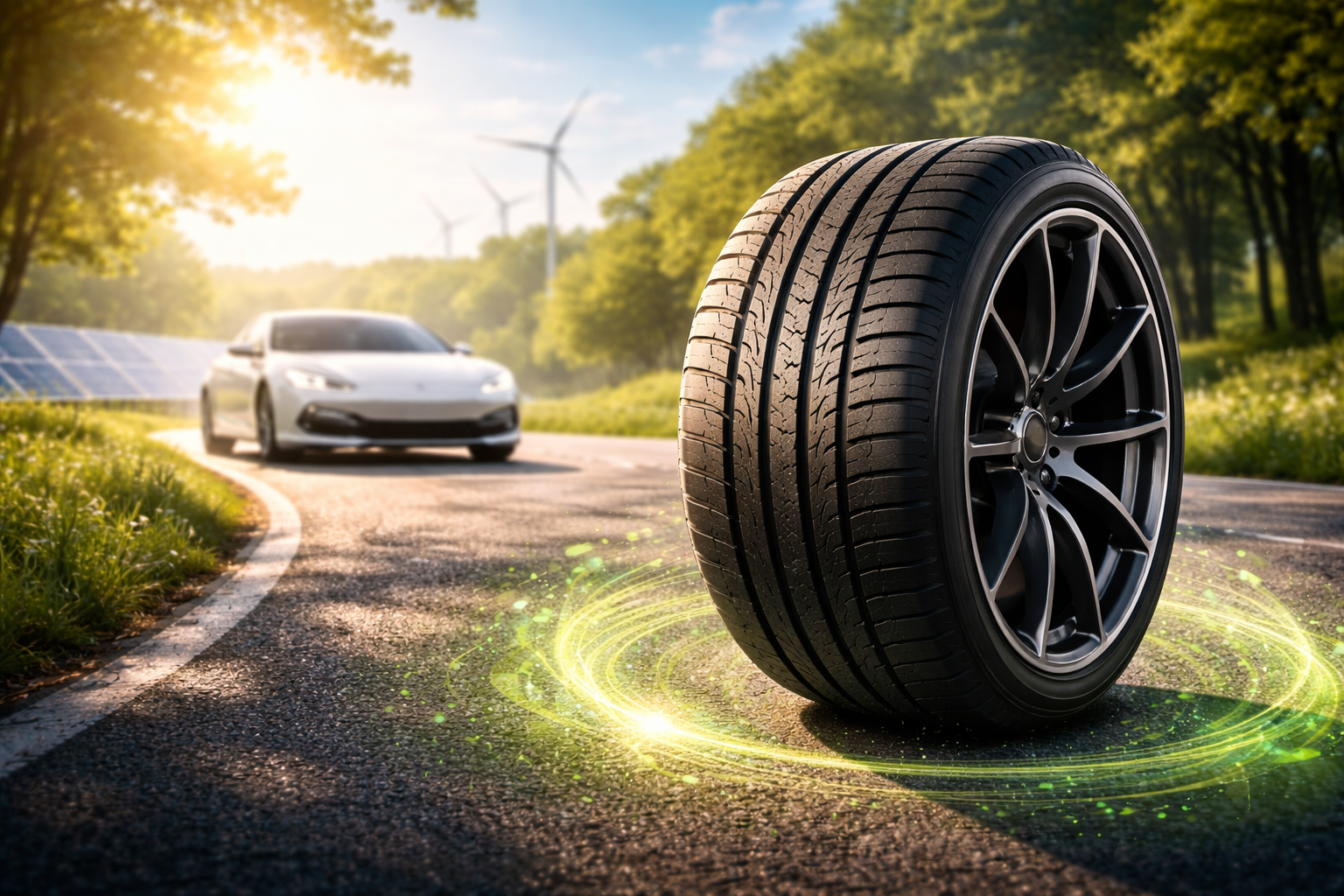
The low rolling resistance tyres already hold a significant position in the automotive market, but their evolution is accelerating. By 2026, they will no longer be chosen solely to reduce fuel consumption. They will also have to meet new expectations: preserve the autonomy of electric cars, reduce road noise, improve sustainability and maintain a high level of safety on both dry and wet roads. This new generation of efficient tyres could well transform how drivers perceive the balance between savings and performance.
What is a low rolling resistance tyre?
One low rolling resistance tyre is designed to reduce the rolling resistance. In concrete terms, this means that less energy is required for it to move forward. On a traditional car, this can help reduce fuel consumption. On an electric car, this helps preserve the range.
This performance depends on several elements:
- the composition of the gum,
- the internal structure of the tyre,
- the tread pattern,
- mastery of deformations during rolling.
For a long time, these tyres were primarily associated with the idea of economy. Now, they must also prove themselves on the Security, the comfort, the Longevity and the Versatility.
Why is a new generation expected in 2026?
2026 represents a turning point because the automotive market is changing rapidly. Electric vehicles are developing, environmental standards remain demanding, and motorists are looking for more complete products. An efficient tyre can no longer simply promise low fuel consumption. It must now offer a best overall balance.
Several factors are driving this development:
- the rise in the number of electric and hybrid cars,
- the search for greater autonomy,
- the desire to limit indirect emissions related to rolling,
- the demand for quieter tyres,
- the expectation of slower, more uniform wear.
In other words, the next generation of low-consumption tyres will need to be smarter, more versatile and more reassuring.
The major innovations to expect
1. Even better controlled rolling resistance
The first expected evolution naturally concerns pure efficiency. Manufacturers are looking to further reduce the energy lost during tyre rotation. This will be achieved through more optimised internal structures, more stable materials, and better control of heat build-up.
The objective is clear: to gain efficiency without degrading road behaviour.
2. A better compromise between economy and security
For a long time, reducing rolling resistance could lead to concerns about a less favourable compromise in wet conditions. This new generation will need to correct that perception. The expected progress concerns:
- better grip in the rain,
- more consistent braking distances,
- improved stability at sustained speed,
- more predictable behaviour when changing direction.
3. Quieter tyres
Acoustic comfort is becoming a key criterion, especially for electric vehicles where the absence of engine noise more readily highlights rolling sounds. Future low-consumption tyres should incorporate structures and tread patterns capable of reducing vibrations and resonances.
4. Better controlled wear
Reducing consumption is no longer enough. Drivers also want a tyre that lasts. By 2026, efficient tyres should improve in terms of wear regularity, resistance to repeated stress, and consistent performance over time.
5. More advanced materials
New generations should rely on more sophisticated rubber compounds, combining energy efficiency, longevity, and safety. Manufacturers are also working on more sustainable materials, capable of reducing environmental impact without sacrificing efficiency.
The key role of electric vehicles
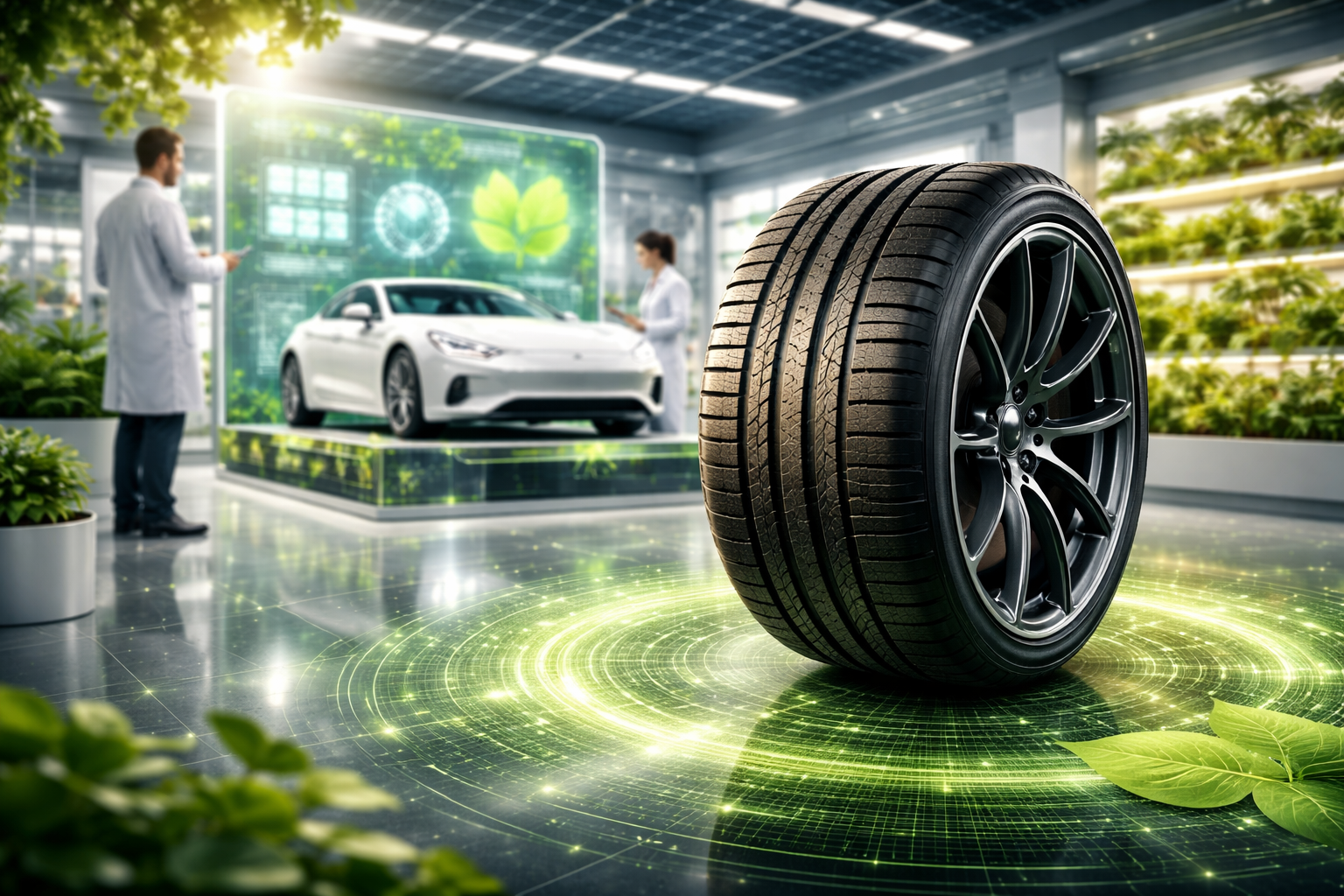
The electric vehicles clearly accelerate the evolution of low-consumption tyres. They impose particular constraints: often higher weight, instant torque, and a strong demand for autonomy.
Next-generation tyres will therefore need to:
- to better bear heavy loads,
- limit wear related to sharp acceleration,
- reduce energy losses,
- reduce road noise.
This development will also benefit internal combustion and hybrid cars. A more efficient, stable, and quieter tyre now interests the entire market, not just electric vehicles.
What are the benefits for drivers?
For the motorist, the new generation of low-consumption tyres in 2026 could bring several very concrete benefits:
- a reduction in consumption or better preserved autonomy,
- improved ride comfort,
- a reduction in perceived noise in the cabin,
- better stability on different types of roads,
- a potentially more interesting lifespan.
The main challenge will be to no longer pit efficiency and driving pleasure. Future tyres will have to demonstrate that it is possible to save energy whilst maintaining safe and enjoyable driving.
Towards more comprehensive and credible tyres
The next step for low-consumption tyres is not just about breaking efficiency records. It's primarily about offering a more complete product, capable of convincing without the impression of excessive compromise. In 2026, the most successful models will likely be those that manage to combine:
- low rolling resistance,
- good road holding,
- Silence,
- controlled wear,
- Compatibility with new automotive uses.
It is this combination that should define the new generation of low-consumption tyres.
FAQ – Low rolling resistance tyres: towards a new generation in 2026
What is a low rolling resistance tyre?
This is a tyre designed to reduce rolling resistance, in order to limit fuel consumption or preserve the range of an electric vehicle.
Why will low rolling resistance tyres be updated in 2026?
Because the automotive market is changing rapidly, particularly with the rise of electric vehicles, the search for better range, and the expectation of quieter, safer, and more durable tyres.
Are low-consumption tyres suitable for electric vehicles?
Yes, and they even become particularly strategic in this segment. They help to reduce energy loss and improve acoustic comfort.
Are low rolling resistance tyres any worse in the wet?
The new generations are specifically looking to improve this point. The objective is to obtain a better level of grip without losing the energy benefits.
What gains can be expected from new-generation low-consumption tyres?
We can expect improved efficiency, increased comfort, less noise, better controlled wear, and more consistent performance in different driving conditions.
To remember
The Low rolling resistance tyres in 2026 should evolve well beyond simple energy saving. They will be expected to offer a better compromise between efficiency, Security, comfort, durability and adaptation to electric vehicles.
Real innovation will therefore not just be technical. It will also be in the way these tyres respond to increasingly demanding needs. Drivers will look less for an “economical” tyre than for a tyre Overall intelligent and performant.