Why don't all tyres have the same tread pattern?
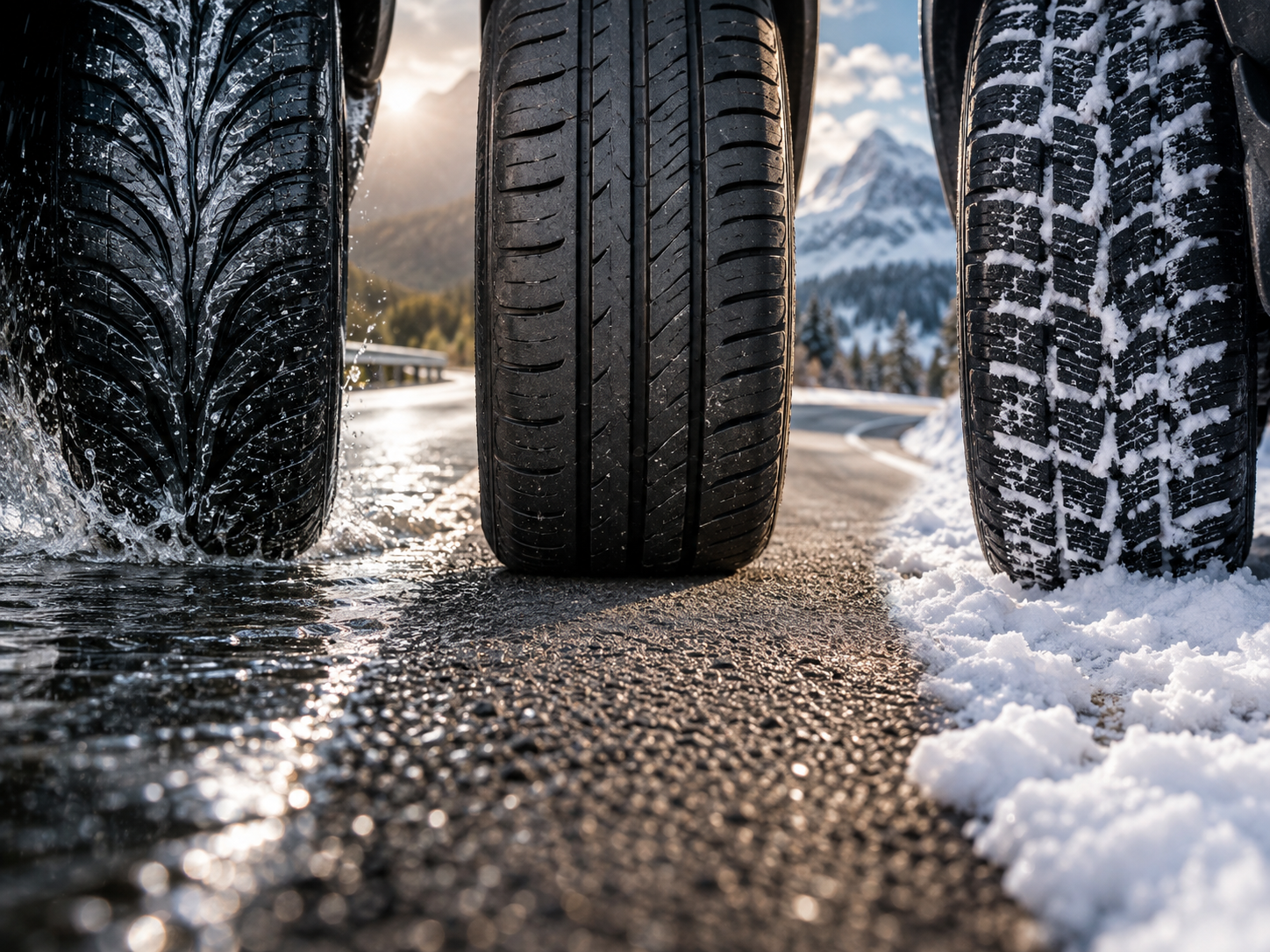
When comparing several tyres, one difference immediately catches the eye: their tread does not always feature the same pattern. Some have long longitudinal grooves, others V-shapes, wide blocks or even a multitude of small sipes. These differences are not simply aesthetic. Each groove, block and sipe serves a specific function and the pattern is designed according to the tyre's use, weather conditions and desired performance.
So why are there so many different tread patterns? Here is how to better understand what you are looking at on the tread.
Summary
- What is the purpose of a tyre's tread?
- Why do tyres have grooves?
- What are the gills for?
- What is the role of the rubber blocks?
- The main types of sculptures to recognise
- Why are a summer tyre and a winter tyre different?
- Does the tyre tread affect tyre noise?
- Can you fit a tyre the wrong way round?
- FAQ: understanding your tyre tread
1. What is the tread pattern of a tyre used for?
The part of the tyre directly in contact with the road is called Tread. His sculpture results from a balance between different objectives.
- maintain contact with the road; ;
- drain the water when it rains; ;
- promote vehicle stability; ;
- optimise grip according to the conditions; ;
- master tyre noise ;
- promote even wear.
This is why a sports tyre, a winter tyre and a tyre intended mainly for daily journeys can have very different tread patterns.
2. Why do tyres have grooves?
The large grooves visible on the tread serve in particular to channel and evacuate the water present between the tyre and the road surface. On a wet road, the tyre must maintain contact with the ground as much as possible. Manufacturers therefore use different shapes of grooves: longitudinal, transverse, oblique, or organised in a directional tread pattern.
Their width, depth and layout vary greatly from one model to another depending on the desired performance.
3. What are the gills for?
When observing certain tyres, in particular winter tyres, numerous small notches can be observed in the rubber blocks. These are the slats. They increase the number of edges on the tread and play a key role in traction and grip when conditions become difficult.
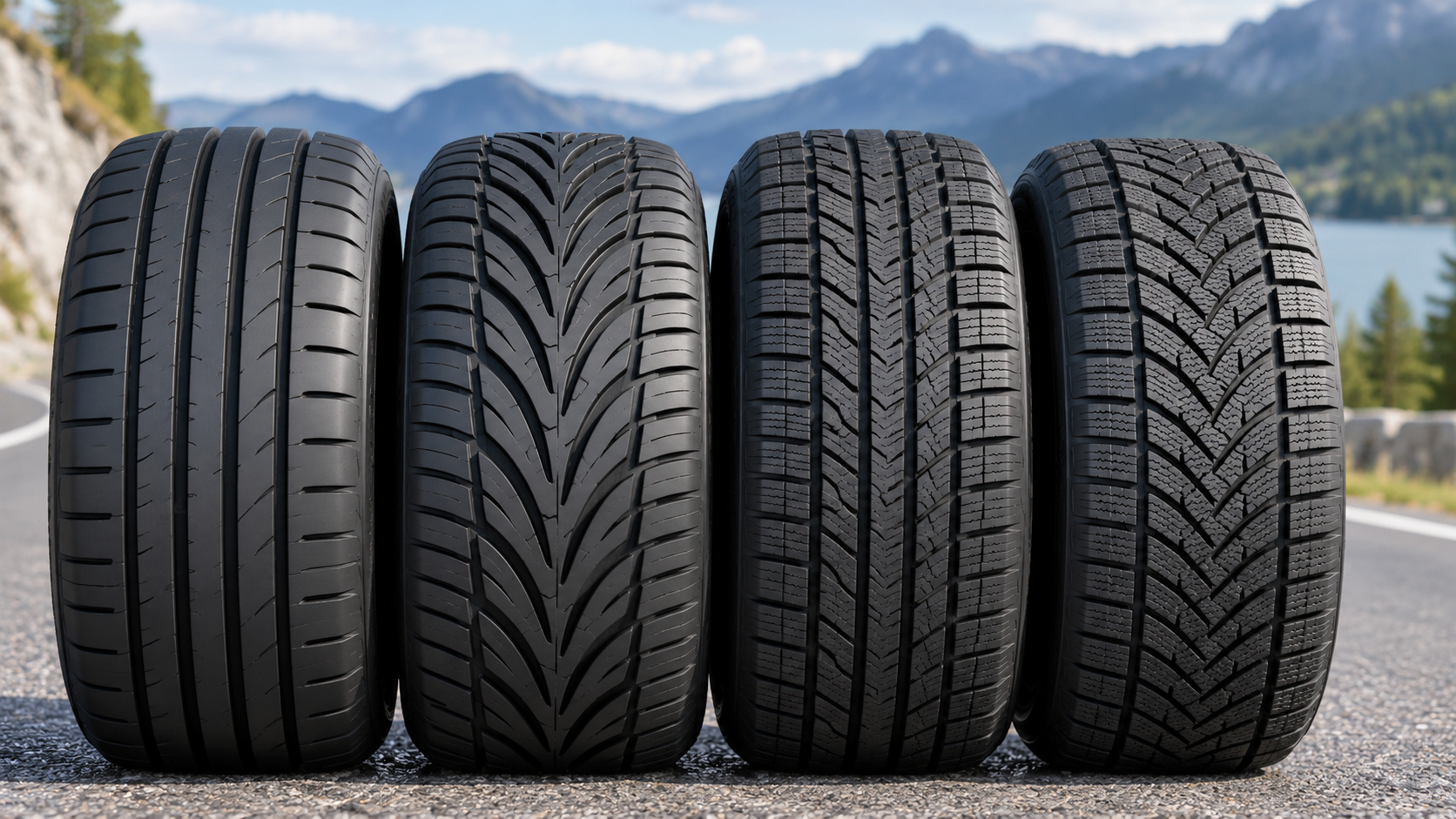
Compare a summer tyre and a winter tyre side by side: the difference is usually very clear. The summer tyre often features more solid and less cut-up blocks, whereas the winter tyre generally includes more sipes.
4. What is the role of the rubber blocks?
Between the different grooves are the tread blocks. Their shape, size and arrangement influence the way the tyre comes into contact with the road surface.
Large blocks can be used in certain areas in particular to promote stability and precision, whereas a more intricately cut tread pattern responds to other constraints. On certain models, the outer part of the tread is also very different from its inner part: this is known as an asymmetric tread pattern.
5. The main types of sculptures to recognise
Look at the tread: which family does it resemble?
The symmetrical sculpture
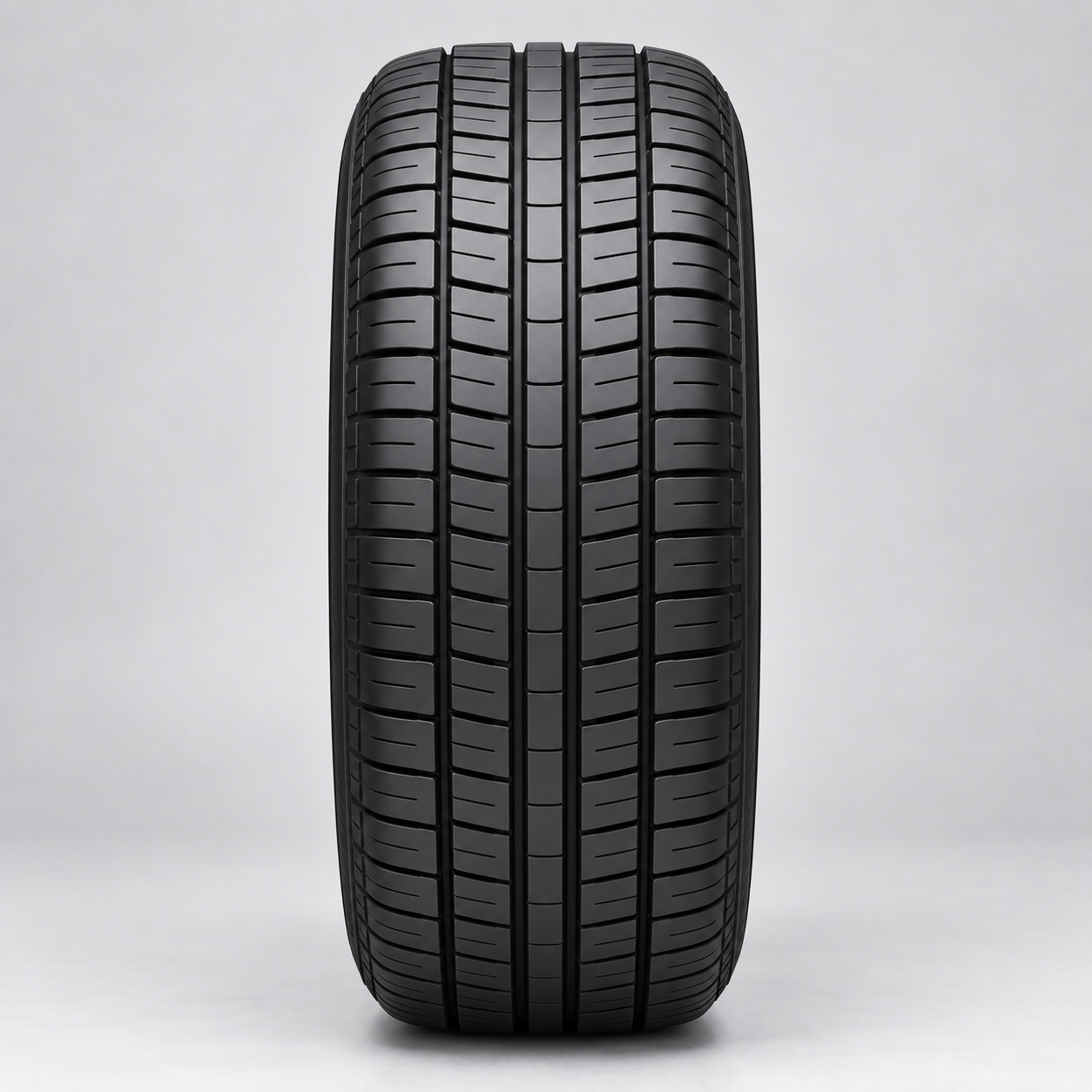
On a tyre with a symmetrical tread pattern, both sides of the tread feature a similar layout. This design is notably used on certain tyres intended for everyday driving and favours a homogeneous construction.
The asymmetrical sculpture
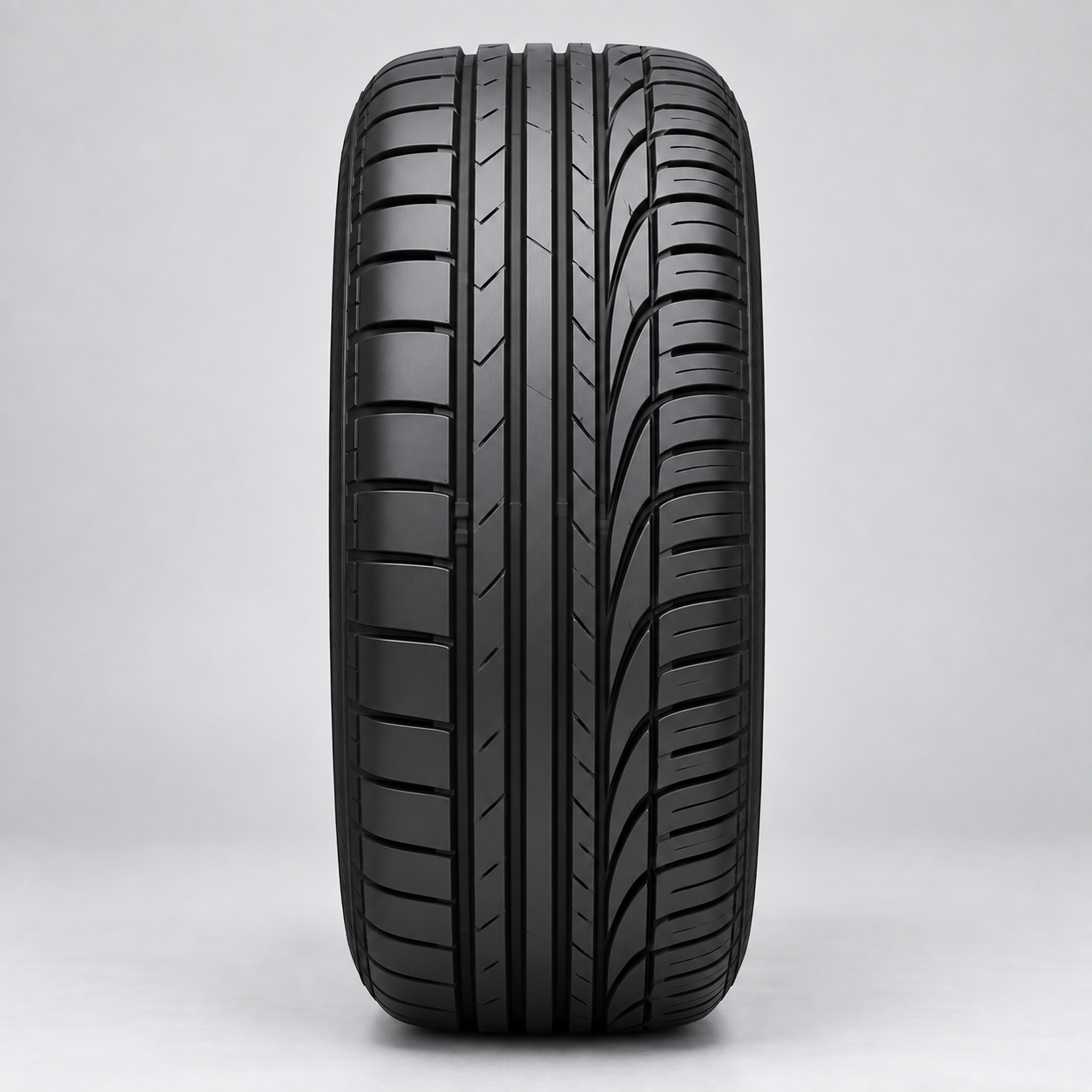
Here, the inside and outside of the tread feature different patterns. Each zone can thus serve a specific purpose. These tyres generally bear the markings Inside and Outside in order to respect their assembly.
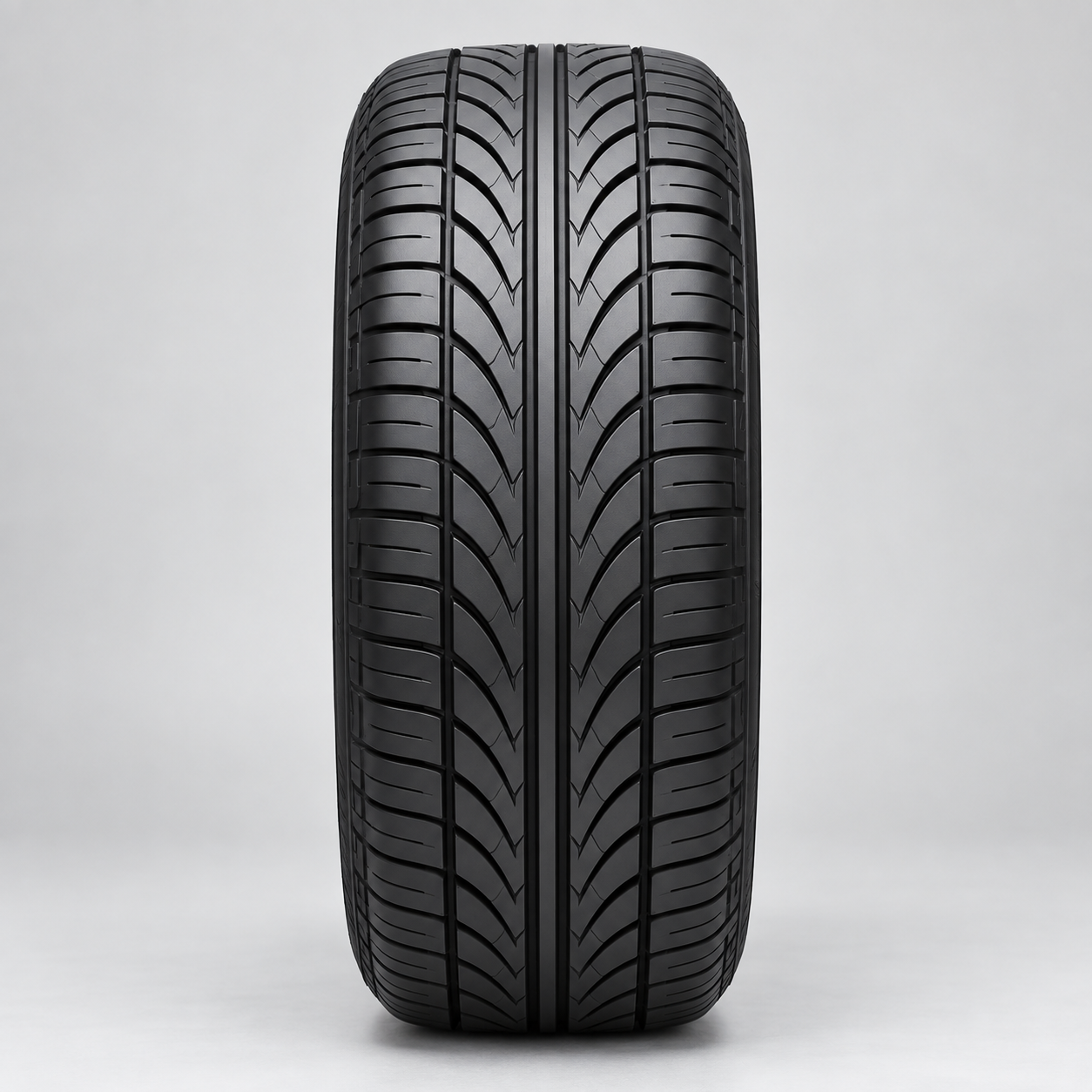
Directional sculpture
Easy to recognise, it often has a V or arrow shape. The tread pattern is designed to work in a specific direction of rotation. An arrow accompanied by the indication Rotation is then present on the sidewall of the tyre.
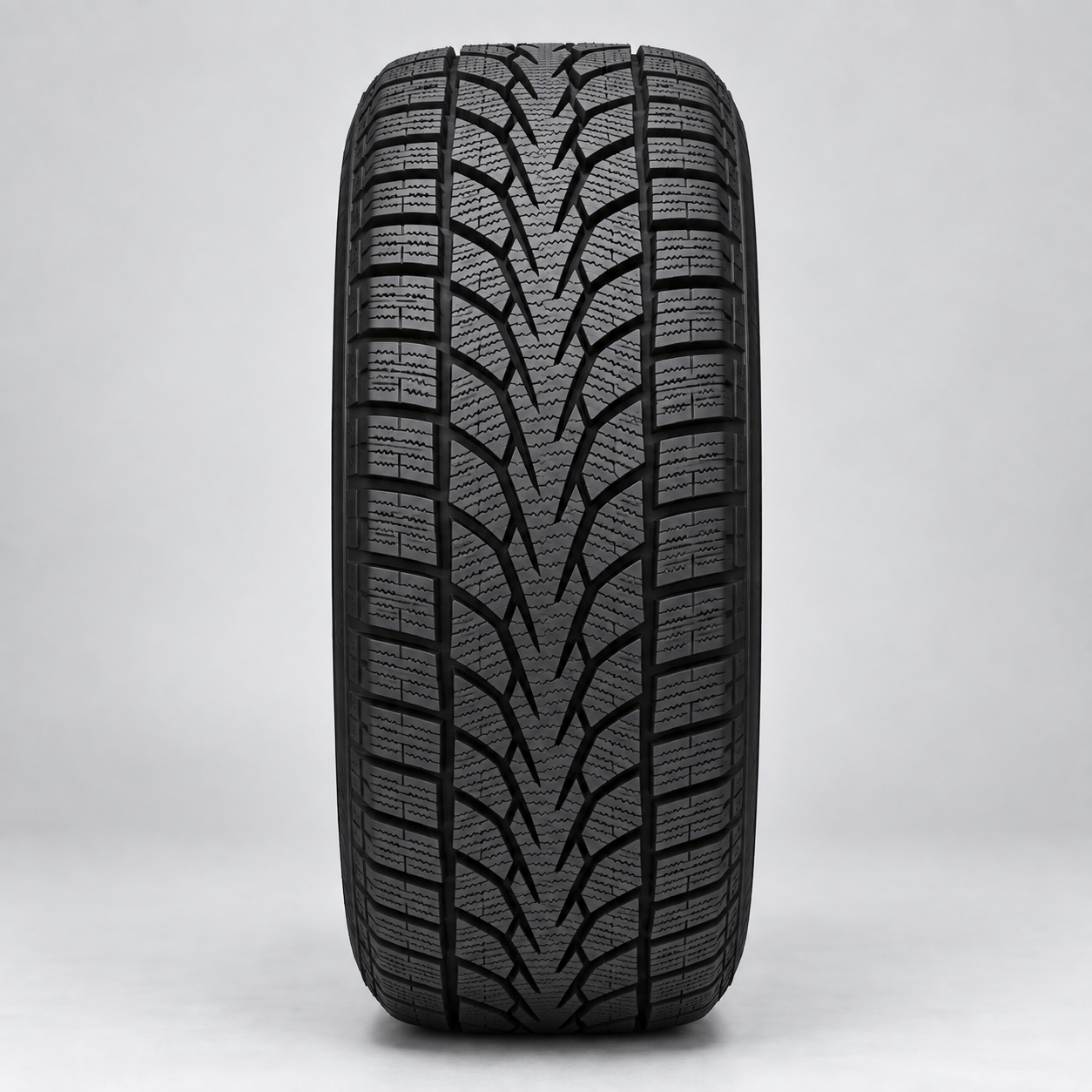
The heavily lamellar sculpture
Particularly recognisable on many winter tyres, this type of tread pattern features a multitude of small sipes distributed throughout the rubber blocks. The tread therefore appears much more heavily cut than that of a standard summer tyre.
6. Why are a summer tyre and a winter tyre different?
Place a Summer tyre next to a winter tyre and you will quickly notice that their tread patterns are not the same. The summer tyre is designed to perform in warmer conditions, on dry or wet roads. Its tread pattern generally features relatively large blocks combined with grooves intended in particular to manage water.
The winter tyre must meet different conditions: low temperatures, cold road surfaces, rain, snow or sometimes black ice. It generally features more sipes, a more heavily carved tread and numerous biting edges.
The all-season tyres are seeking, for their part, to find a compromise in order to operate under varied conditions throughout the year.
7. Does the tread pattern influence tyre noise?
Yes. The layout of the blocks, grooves and sipes also contributes to the noise generated when the tyre rolls on the road surface.
With each rotation, the different parts of the tread successively come into contact with the ground. Manufacturers therefore work on the size, shape and spacing of the tread pattern elements in order to control sound frequencies. However, the tread pattern is not the only factor: the road surface, speed, tyre size, structure and level of wear can also have an influence.
8. Can a tyre be fitted the wrong way round?
For certain tyres, the direction or side of fitting must be respected.
A directional tyre generally features an arrow accompanied by the indication Rotation on its sidewall. This arrow indicates the direction in which it must rotate when the vehicle moves forward.
FAQ: understanding your tyre tread
Why are there grooves on a tyre?
Grooves serve in particular to channel and evacuate water present between the tread and the road surface. Their shape and arrangement vary depending on the tyre's design.
Why do winter tyres have so many small cuts?
These small cuts are called sipes. They multiply the edges on the tread and are particularly used on tyres designed for winter conditions.
What is the purpose of a V-shaped sculpture?
A V-shaped tread pattern is often associated with a directional tyre. In this case, the tyre is designed to rotate in a specific direction, indicated by an arrow on its sidewall.
What is an asymmetrical tyre?
This is a tyre whose inner and outer tread patterns are different. The inscriptions Inside and Outside usually indicate how to assemble it.
Can two tyres of the same size have different tread patterns?
Yes. Size does not determine the tread pattern. Two tyres of the same size can have very different tread patterns depending on their brand, model, season and use.
Does the tread pattern of a tyre influence its noise?
Yes, the shape and arrangement of the blocks and grooves are among the factors that can influence tyre noise. Other factors such as the road surface, speed or tyre size also play a part.
Can you choose a tyre just by looking at its tread pattern?
No. The appearance of the tread is not enough to determine whether a tyre is suitable for your vehicle and your usage. You must also check its size, ratings, season, markings and the characteristics specified by the manufacturer.
Conclusion
Grooves, blocks, sipes, V-shaped tread patterns or asymmetrical profiles: a tyre's tread is much more technical than it appears.
Each tread pattern is the result of choices made to meet various requirements: water evacuation, grip, road handling, winter conditions, comfort or even noise control.
Next time you compare several tyres, take a look at their tread: these differences already give many clues as to how they were designed and what use they are intended for.