
Autumn 2026: Checks to carry out on your tyres before the first rains and the cold
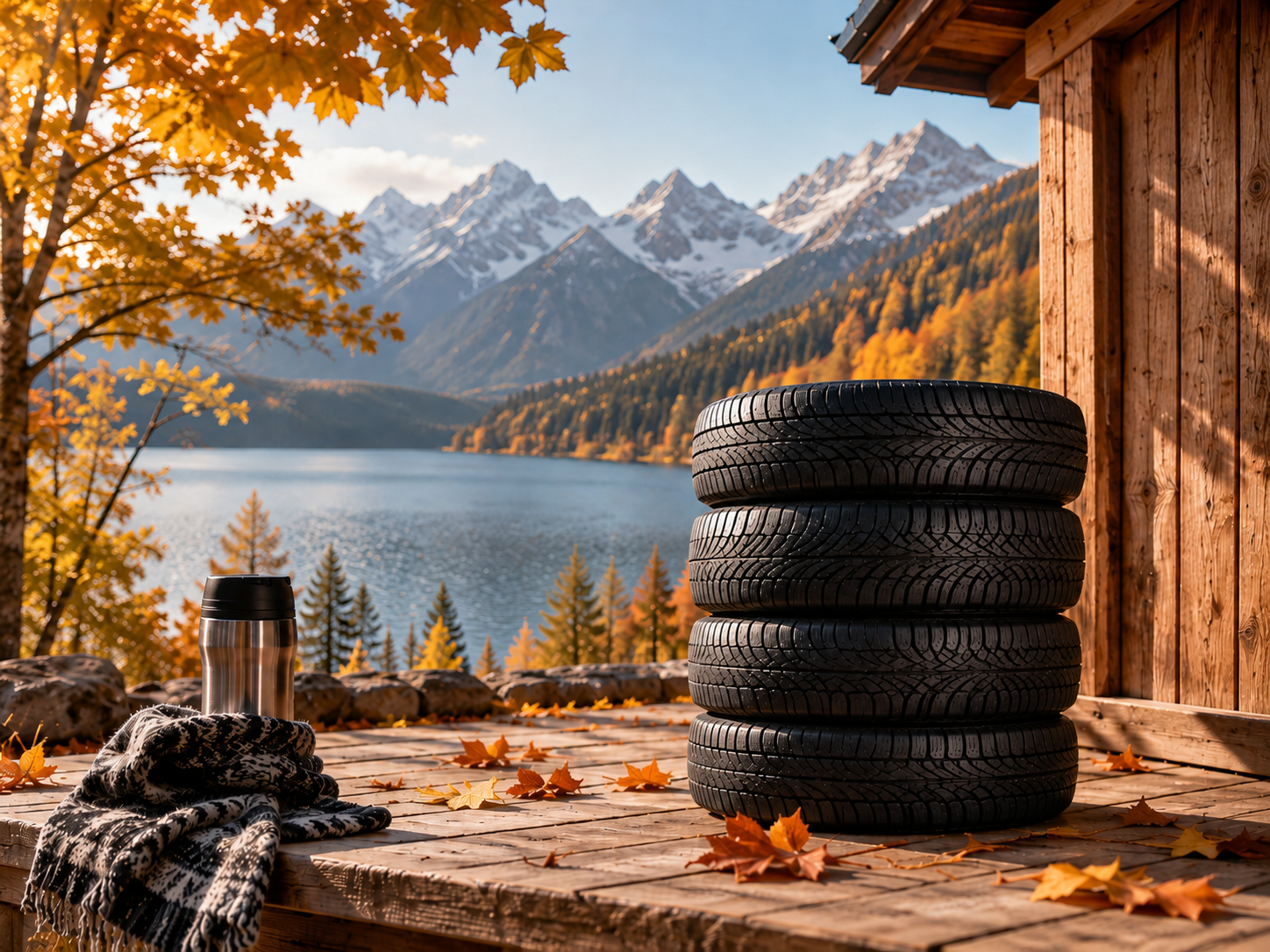
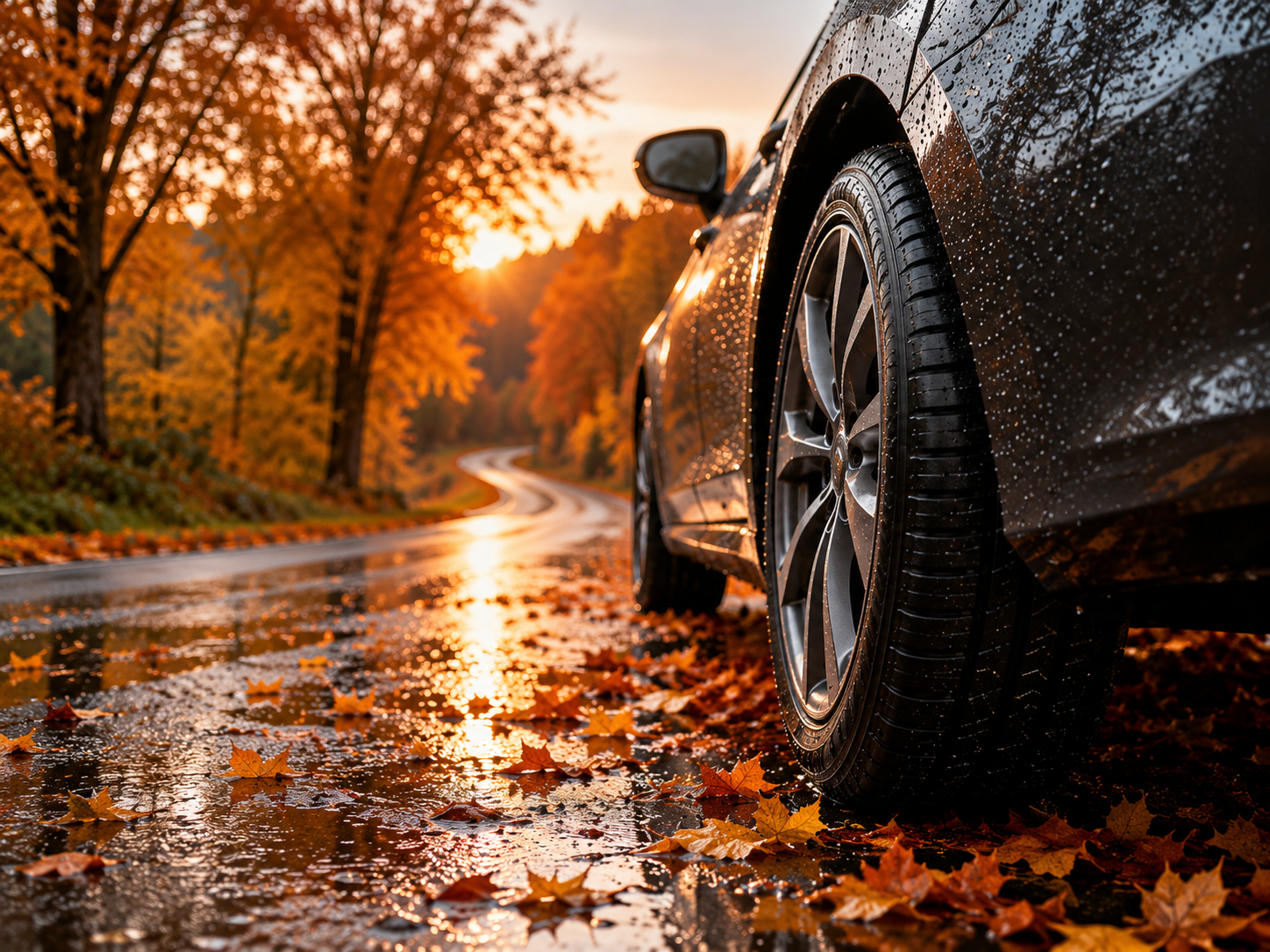
Autumn rapidly changes driving conditions: falling temperatures, more frequent rain, damp leaves on the road and the first cold spells. After the long journeys of summer, it is therefore a good time to check the condition of your tyres and prepare for winter. Wear, pressure, grip on wet roads or choosing suitable equipment: a few simple checks can make all the difference.
Here are the main habits to adopt before the first winter conditions arrive. You can also find all our tyres on P.
Summary
- Check tyre wear
- Check the pressure
- Preparing your tyres for wet roads
- Inspect the general condition of the tyres
- 4 tyres to discover for autumn and winter
- Winter or all-season tyres: which should you choose?
- Anticipate the Mountain Law
- Don't wait for the first cold snap
- FAQ: Tyres and autumn driving
Check tyre wear
Summer can put tyres through a hard time. Motorways, heat and long journeys can all contribute to their wear.
Before the arrival of the autumn rains, take a few minutes to check the tread on all four of your tyres.
Keep a particular eye on:
- the depth of the sculptures ;
- potential uneven wear ;
- an important difference between the front and rear tyres; ;
- the overall condition of the tread.
This check is particularly important when the road surface becomes wet. The tyre tread patterns play a key role in channeling water away from beneath the tread.
2. Check the pressure
With the changes in temperature, autumn is also a good time to get back into the habit of regularly checking your tyre pressure.
Incorrect tyre pressure can lead to premature wear and alter the vehicle's handling.
Tyre pressure should preferably be checked when the tyres are cold, always adhering to the car manufacturer's recommendations.
The recommended values are usually indicated:
- on the driver's door frame; ;
- in the fuel flap; ;
- or in the vehicle manual.
3. Preparing your tyres for wet roads
In autumn, rain often becomes one of the main changes that drivers must adapt to.
When water accumulates on the road surface, the tyres must be able to evacuate it efficiently in order to maintain contact with the road.
Speed, tread depth, pressure and the amount of water on the road surface can notably influence the risk of aquaplaning.
Fallen leaves are also a factor to take into account. When they are wet and accumulate on the road, they can make certain areas particularly slippery.
It is therefore important to reduce your speed when conditions deteriorate and to increase the distance from the vehicle in front.
Inspect the general condition of the tyres
The tread is not the only element to monitor.
Take advantage of your autumn check to also examine the tyre sidewalls. A cut, significant cracking, a bulge or any unusual deformation should draw your attention.
Also be on the lookout for a steady loss of pressure or the appearance of unusual vibrations while driving.
A visual check of the four tyres can sometimes quickly spot a problem before harder conditions arrive.
5. 4 tyres to discover for autumn and winter
Our selection of all-season tyres
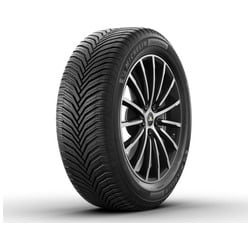
Michelin CrossClimate 2
The Michelin CrossClimate 2 is a winter-approved all-season tyre. A versatile solution for drivers who want to keep the same equipment all year round.
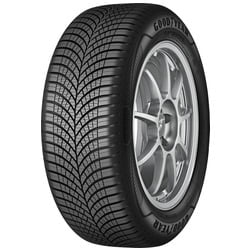
Goodyear Vector 4Seasons Gen-3
The Goodyear Vector 4Seasons Gen-3 is an all-season tyre with winter homologation, designed to offer great versatility as weather conditions change throughout the year.
Our winter tyre selection
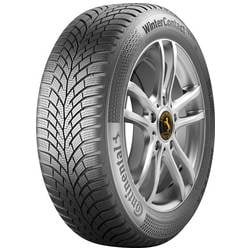
Continental WinterContact TS 870
The Continental WinterContact TS 870 is a winter tyre developed to cope with low temperatures and offer good performance on wet, snowy or icy roads.
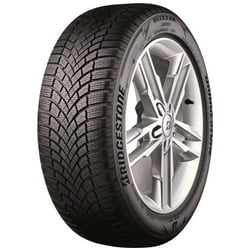
Bridgestone Blizzak LM005
The Bridgestone Blizzak LM005 is a winter tyre designed for cold conditions. It stands out in particular for its performance on wet roads and in winter conditions.
6. Winter or all-season tyres: which should you choose?
The choice depends mainly on your region, the temperatures encountered, your mileage and the roads you use.
Winter tyres
The best winter tyres are designed specifically for cold and winter conditions.
Their rubber compound and tread pattern are suited to low temperatures as well as wet, snowy or icy roads.
All-season tyres
The top all-season tyres provide a versatile solution for motorists who want to keep the same equipment across the seasons.
They represent a compromise between the characteristics of a summer tyre and those of a winter tyre.
7. Anticipating the Loi Montagne
If you live in a mountainous region or plan to visit one during the winter, autumn is also the right time to check your equipment.
In the areas covered by the regulations, specific winter equipment is required during the period laid down by the Mountain Law.
For tyres used as compulsory winter equipment, the marking 3PMSF, represented by a three-peaked mountain with a snowflake, is now the marking to look for.
Find detailed information on our page dedicated to Montagne Law.
Would you prefer to keep your current tyres? Discover also our snow chains.
8. Do not wait for the first cold snap
Waiting for the first snowfall or the first spell of frost to think about your tyres is not always the best solution.
On the contrary, autumn allows for calm anticipation and control:
- the condition of his current equipment; ;
- the necessary dimensions; ;
- the presence of the 3PMSF marking if necessary; ;
- the available models ;
- and the appropriate mounting solution.
You can thus prepare your vehicle before winter conditions really set in.
FAQ: Tyres and autumn driving
Should you change your tyres at the very beginning of autumn?
Not necessarily. The choice depends on your region, the temperatures and the type of tyres currently fitted to your vehicle. However, early autumn remains an excellent time to check their condition.
Why check your tyres before winter?
Rain, falling temperatures and winter conditions make the condition of tyres particularly important. Checking their wear, pressure and general condition allows you to be prepared before the arrival of the cold weather.
Are all-season tyres suitable for autumn?
Yes. All-season tyres are designed to perform in varied weather conditions. However, to drive in areas subject to winter tyre regulations, check that the tyre has the required marking.
How to tell if your tyres are too worn?
Regularly check the tread depth and the wear indicators on the tyre. Irregular wear, deformation or visible damage should also catch your attention.
Which tyres should I choose for driving frequently in the rain?
Wet grip, braking performance and water clearance capacity are among the main criteria to compare. Read our article dedicated to tyres for driving in the rain.
When should you prepare your equipment for winter?
It is better to plan ahead during the autumn rather than wait for the first winter conditions. This leaves time to check your equipment and choose new tyres if necessary.
Conclusion
Autumn is the ideal time to get your tyres ready for winter.
Wear and tear, pressure, rain, overall condition and choosing the right equipment a few checks make it possible to anticipate changing conditions and to drive with equipment suited to one's vehicle.
Summer tyres, winter tyres or all-season tyres: the choice depends primarily on your region and how you use your vehicle.
Find all our tyres on Pneus Online.