All-season tyres: why are sales booming in Europe in 2026?
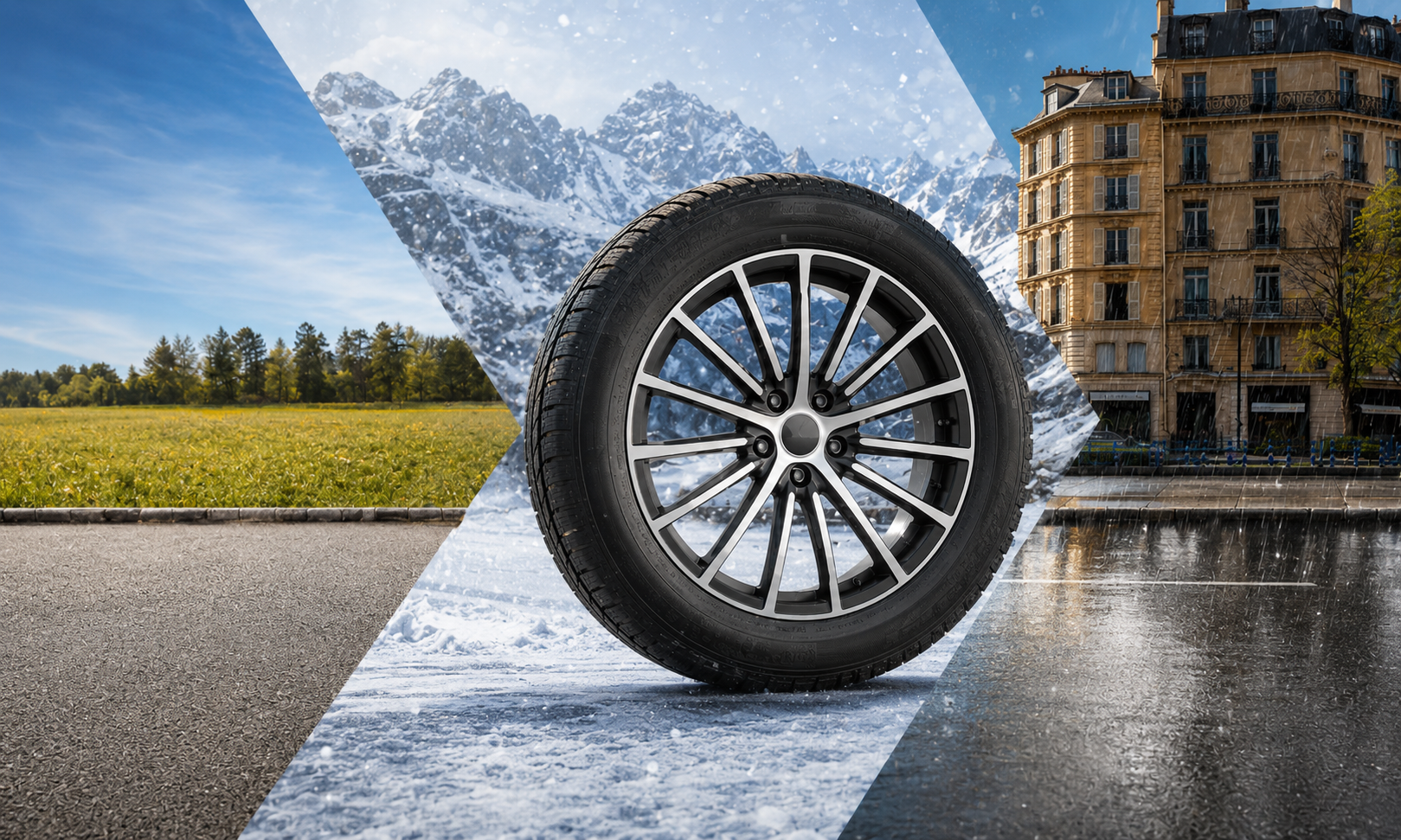
Long regarded as a solution reserved for certain motorists, the all-season tyre is changing scale. In 2026, it is establishing itself as one of the most dynamic segments in the European tyre market. The latest figures published by Tyres Europe speak for themselves: in the second quarter of 2026, Sales of all-season tyres rose by 15 % compared with the same period in 2025. Over the first half of the year as a whole, they have already risen by 9 %.
This success is no coincidence. All-season tyres meet a very current demand from motorists: simplifying their car's equipment while keeping a versatile tyre capable of driving all year round. And manufacturers have understood this well. New generations of all-season tyres are multiplying, available sizes are expanding and technologies are advancing rapidly.
Find our best all-season tyres on Pneus Online to easily choose the model that suits you.
Summary
- 2026: the year of the all-season tyre?
- Why are more and more motorists choosing all-season tyres?
- How can a tyre work all year round?
- All-season tyres have improved enormously
- 2026: manufacturers are accelerating even further
- 4 all-season tyres to discover on Pneus Online
- Which motorists are all-season tyres particularly suitable for?
- A practical choice that can also simplify your car budget
- 3PMSF: the symbol to look for on an all-season tyre
- How to choose the right four-season tyres?
- FAQ: everything you need to know about all-season tyres in 2026
1. 2026: the year of the all-season tyre?
European market figures show a very clear trend.
According to data published by Tyres Europe in August 2026, all-season tyre sales increased by:
- +15 % in the second quarter of 2026 compared to the second quarter of 2025
- +9 % in the first six months of 2026 compared to the same period of the previous year
The phenomenon is all the more interesting as it is not a mere one-off effect.
For several years, tyre professionals have observed a steady growth in all-seasons. In 2024 as in 2025, Tyres Europe was already reporting that this category was contributing significantly to the momentum of the car tyre market.
2. Why are more and more motorists choosing all-season tyres?
The success of the all-season tyre is based first and foremost on an extremely simple promise: driving all year round on the same set of tyres.
For many drivers, this fits in perfectly with how their habits have evolved.
An all-season tyre allows in particular:
- to keep the same tyres all year round
- to avoid scheduling two seasonal changes
- not having to store a second set of tyres
- to benefit from a tyre designed to cope with varied temperatures and weather conditions
- to have recognised capabilities for winter use when certified as 3PMSF
This is a formula that is particularly popular with motorists looking for simplicity, versatility and everyday peace of mind.
Mobility habits are also evolving. Urban and suburban journeys, remote working and sometimes more modest mileages are making this solution particularly attractive to many drivers.
3. How can a tyre work all year round?
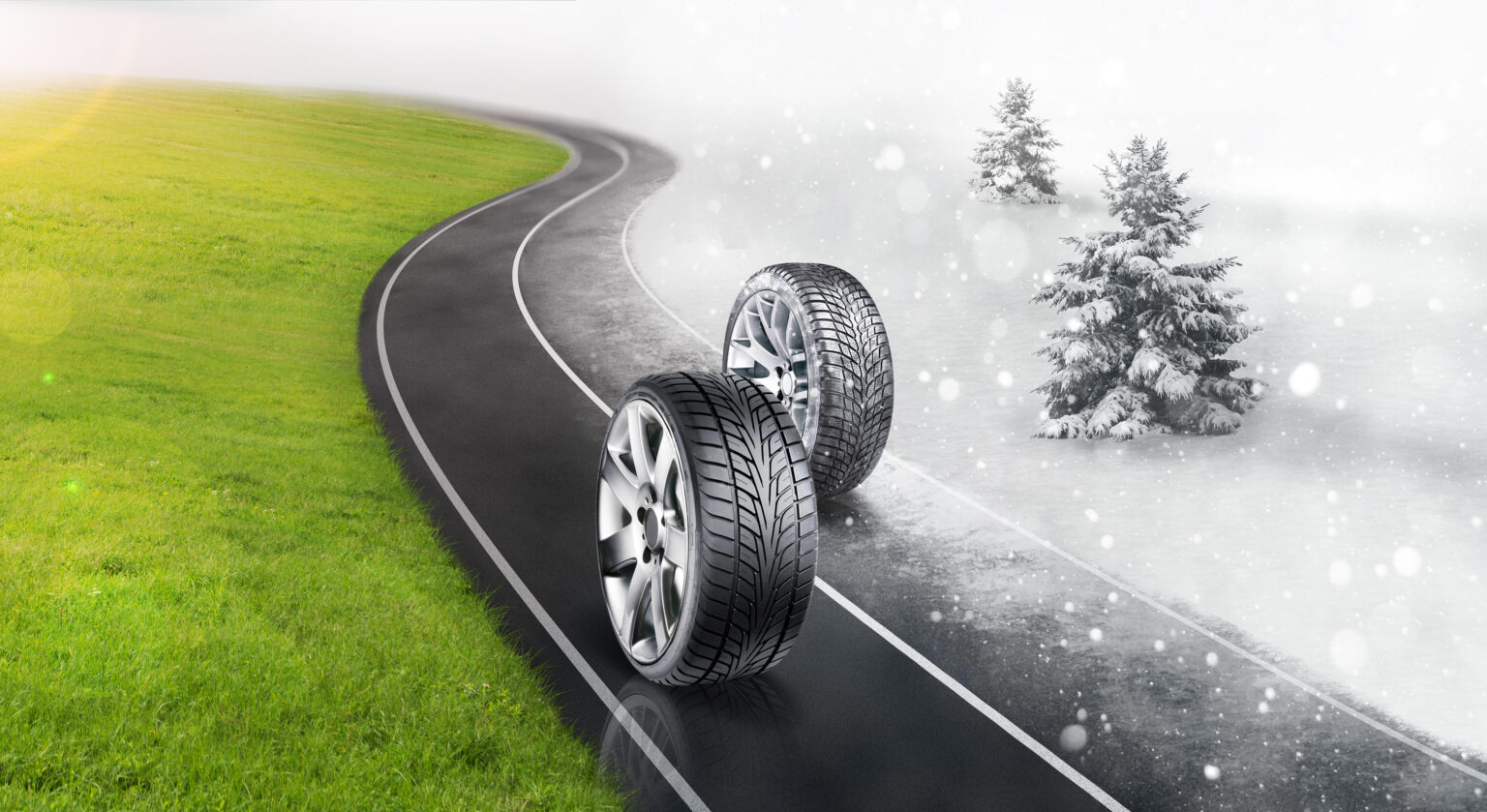
An all-season tyre does not simply consist of mixing the characteristics of different tyres. It has a compound and a tread pattern specially developed to operate in a very wide temperature range.
Its tread generally features numerous grooves and sipes designed to help the tyre maintain traction when conditions deteriorate. At the same time, modern rubber compounds are engineered to maintain good stability as temperatures rise.
The entire challenge for manufacturers therefore consists in achieving a balance between:
- dry grip
- water drainage
- motor skills when the temperature drops
- snow handling
- rolling resistance
- comfort
- Longevity
4-season tyres have improved enormously
That is probably where the real market shift is coming from. The all-season tyres on offer today bear little resemblance to the first generations that appeared several decades ago. Major manufacturers have invested heavily in this category and are now developing dedicated ranges incorporating their latest technologies.
The new generations work in particular on:
- rubber compounds capable of maintaining their properties over a wider temperature range
- sculptures allowing water to be drained quickly
- sipes optimised to improve winter grip
- the reduction in rolling resistance
- the mileage improvement
- acoustic comfort
- compatibility with electric and hybrid vehicles
5. 2026: manufacturers accelerate even further
Sales growth naturally encourages manufacturers to invest even more in all-season tyres.
This proliferation of models creates a virtuous circle: the larger the market grows, the more manufacturers invest, and the more the performance and choice on offer to motorists improve.
6. All-season tyres to discover on Pneus Online
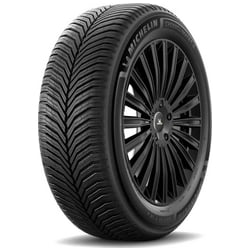
Michelin CrossClimate 3
The Michelin CrossClimate 3 represents the new generation of the famous Michelin 4-season range. It is designed to offer year-round safety, longevity and energy efficiency. The range is suited to the needs of internal combustion engine, hybrid and electric vehicles.
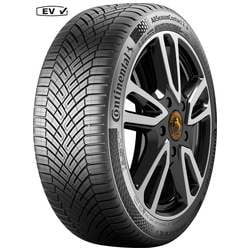
Continental AllSeasonContact 2
The Continental AllSeasonContact 2 focuses on versatility, efficiency and mileage. Its design aims in particular to limit friction and abrasion while maintaining a performance suited to the different conditions encountered throughout the year.
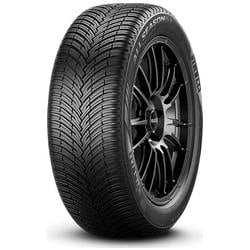
Pirelli Cinturato All Season SF 3
The Pirelli Cinturato All Season SF 3 is a recent model developed for drivers looking for a versatile all-year tyre. It is available in numerous sizes and represents a particularly attractive alternative for daily, road and motorway journeys.
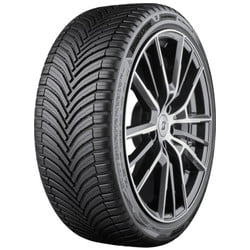
Bridgestone Turanza All Season 6
The Bridgestone Turanza All Season 6 is designed to offer control and versatility throughout the seasons. Bridgestone places particular emphasis on braking performance, snow handling, mileage and compatibility with electric vehicles.
7. Which motorists are 4-season tyres particularly suitable for?
The current success of all-season tyres can also be explained by the fact that they suit the profile of a very large number of drivers.
They are particularly interesting for motorists who:
- primarily use their car in the city or on the outskirts
- make mixed daily journeys
- drive in regions with a temperate climate
- wish to avoid seasonal changes
- do not have a space allowing them to store a second set of tyres
- are looking for a practical solution for year-round riding
A practical choice that can also simplify your car budget
The benefit of all-season tyres is not limited to driving. Keeping the same set of tyres all year round also makes vehicle management simpler. It is no longer necessary to systematically organise two tyre changes each year or to find a solution for storing four tyres for several months.
For some drivers, this can help reduce several secondary constraints:
- seasonal fitting and removal
- storage of a second set of wheels
- transport of tyres to the garage
- booking appointments during seasonal peaks
9. 3PMSF: the symbol to look for on an all-season tyre
When choosing an all-season tyre, one symbol particularly deserves your attention: the 3PMSF.
It is easily recognisable thanks to the pictogram representing a three-peaked mountain containing a snowflake. This marking indicates that the tyre has passed a standardised performance test in winter conditions. In France, this point is also important for motorists driving in municipalities subject to winter equipment regulations.
Since 1 November 2024, only tyres bearing the 3PMSF marking are considered winter tyres within the meaning of this regulation and may be accepted as equivalent to non-skid devices in the areas concerned.
10. How to choose the right all-season tyres
Market growth also means that the available choice is much wider than before.
Avant d’acheter vos pneus 4 saisons, commencez toujours par vérifier la monte exacte de votre véhicule.
Une dimension telle que 205/55 R16 doit être complétée par :
- the load index
- The speed rating
- les éventuels marquages spécifiques
- les homologations constructeur lorsque votre véhicule en exige
Pour trouver plus facilement la référence adaptée, renseignez directement votre dimension ou votre véhicule dans notre recherche de pneus auto.
11. FAQ : tout savoir sur les pneus 4 saisons en 2026
Les pneus 4 saisons sont-ils vraiment de plus en plus vendus ?
Oui. Selon les données du marché européen publiées en août 2026, les ventes de pneus 4 saisons ont progressé de 15 % au deuxième trimestre 2026 par rapport à la même période de 2025. Sur les six premiers mois de l’année, la hausse atteint 9 %.
Pourquoi les pneus 4 saisons rencontrent-ils autant de succès ?
Ils permettent de conserver les mêmes pneumatiques toute l’année et répondent particulièrement bien aux automobilistes recherchant une solution simple et polyvalente pour leurs trajets quotidiens.
Comment reconnaître un bon pneu 4 saisons ?
Vérifiez sa compatibilité avec votre véhicule, sa dimension, ses indices de charge et de vitesse, son étiquette européenne ainsi que la présence du marquage 3PMSF lorsque vous recherchez une homologation hivernale.
Que signifie 3PMSF ?
3PMSF signifie « Three Peak Mountain Snowflake ». Le symbole représente une montagne à trois sommets contenant un flocon. Il indique que le pneu a satisfait à un test normalisé de performance hivernale.
Les pneus 4 saisons sont-ils compatibles avec la Loi Montagne ?
En France, un pneu 4 saisons portant le marquage 3PMSF est reconnu comme pneu hiver pour l’application de la réglementation relative aux équipements hivernaux dans les zones concernées.
Existe-t-il des pneus 4 saisons pour les voitures électriques ?
Oui. De nombreuses gammes récentes sont conçues ou adaptées aux véhicules électriques et hybrides. Les manufacturiers travaillent notamment sur la résistance au roulement, le kilométrage, le bruit et les contraintes liées au poids et au couple de ces véhicules.
Existe-t-il des pneus 4 saisons pour les SUV ?
Oui. L’offre s’est énormément développée et couvre aujourd’hui de nombreuses dimensions destinées aux SUV et crossovers.
Faut-il quand même vérifier la pression de pneus 4 saisons ?
Oui. Comme pour tous les pneumatiques, une pression correcte reste essentielle pour optimiser le comportement du véhicule, le confort, la consommation et la durée de vie du pneu. Pensez à consulter régulièrement notre guide sur la tyre pressure.
Conclusion
2026 confirme clairement l’essor du pneu 4 saisons.
Avec une progression de 15 % des ventes au deuxième trimestre et de 9 % sur les six premiers mois de l’année, cette catégorie s’impose comme l’une des grandes tendances actuelles du marché européen du pneumatique.
Ce succès s’explique facilement : les automobilistes recherchent de plus en plus une solution simple, polyvalente et adaptée à une utilisation tout au long de l’année.
Dans le même temps, les manufacturiers continuent d’investir massivement dans cette technologie. Les nouvelles générations gagnent en sophistication, les gammes couvrent davantage de dimensions et l’offre s’étend désormais des citadines aux SUV, en passant par les véhicules hybrides et électriques. Le pneu 4 saisons est donc en train de changer de statut : il n’est plus seulement une alternative, mais devient progressivement un choix naturel pour un nombre croissant d’automobilistes européens.
Et au vu de la dynamique observée en 2026, son succès ne semble pas près de s’arrêter.