Rain tyres: which criteria really make the difference?
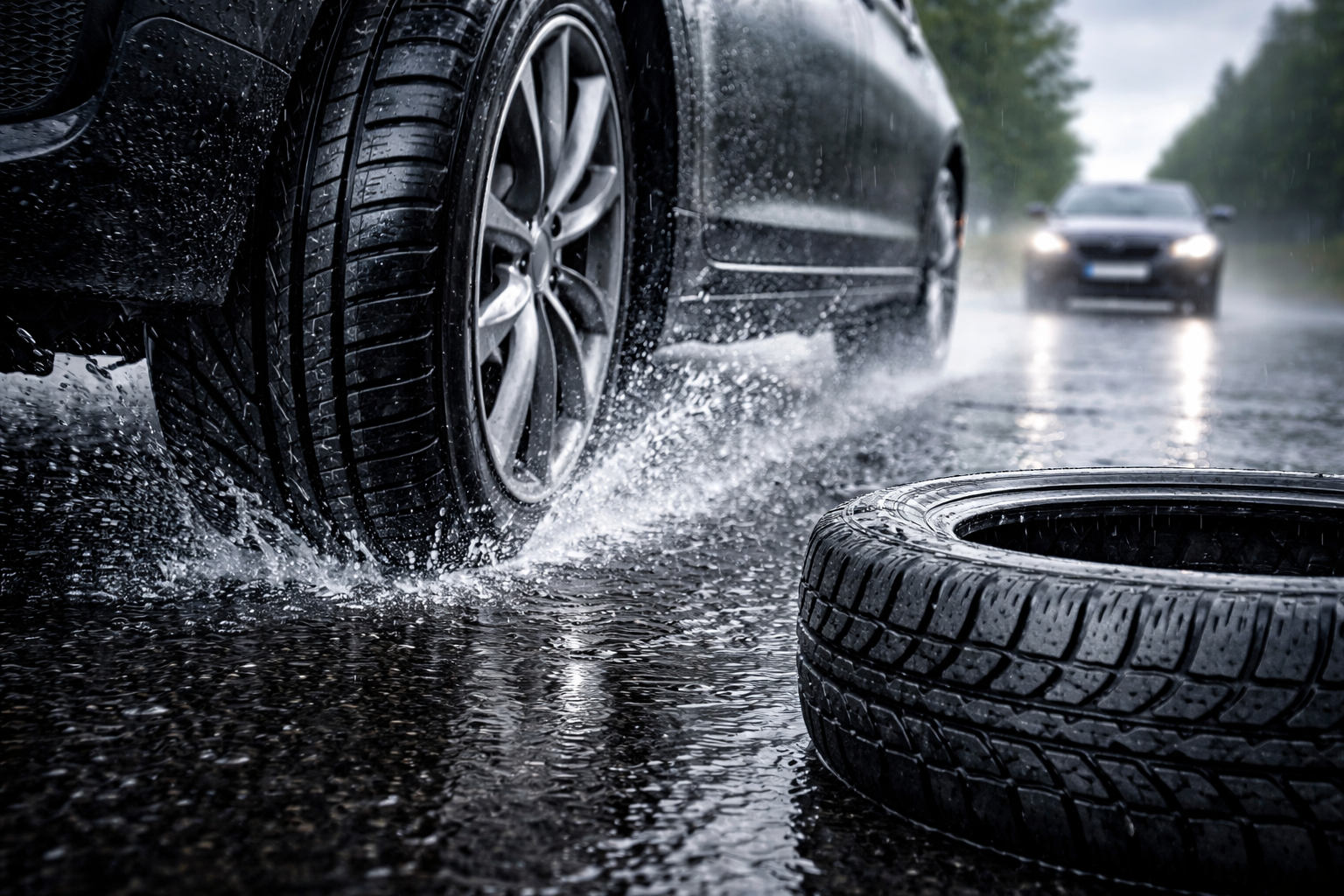
On a wet road, not all tyres react in the same way. Grip, braking, water evacuation and aquaplaning resistance can make a real difference when the rain gets heavier.
How to spot a high-performance tyre in the rain? Which criteria should you compare? Here are the key points you need to know before choosing your car tyres.
Summary
- The key takeaways
- Wet grip
- Aquaplaning resistance
- Braking in the rain
- 4 tyres to discover for driving in the rain
- Sculpture and water drainage
- Tyre wear and pressure
- How do I use the European label?
- Which tyres should you choose depending on how you use your car?
- Mistakes to avoid
- FAQ: Tyres and Rain
The key takeaways
Not all tyres perform equally well on wet roads. The main differences concern grip, braking, water evacuation and stability when conditions deteriorate.
- Adhesion: to maintain grip.
- Aquaplaning: to allow water to drain away more effectively.
- Braking: to maintain a controlled stopping distance.
- Sculpture and eraser: to ensure stable performance.
- Wear and tear: because shallower grooves do not drain water as effectively.
The top summer tyres Pneus Online allows you to compare different models.
2. Wet-weather grip
Wet-weather grip is one of the first things to look out for. An effective tyre must remain stable when cornering, provide adequate traction and offer predictable handling.
To compare models, take a look at our top summer tyres and pay particular attention to their performance on wet roads, not just on dry roads.
3. Resistance to aquaplaning
Aquaplaning occurs when the tyre can no longer disperse the water beneath its tread quickly enough. This can significantly reduce contact with the road surface.
Speed, the amount of water, the depth of the tread grooves and the condition of the tyre all influence this phenomenon.
- In a straight line: particularly important on the motorway.
- When cornering: The loss of grip is compounded by the change in the vehicle’s weight distribution.
4. Braking in the rain
The braking on wet roads is an essential criterion. It depends notably on the quality of the rubber, water clearance, tread stability and the condition of the tyre.
Before you buy, take a look at our top summer tyres to compare different models.
5. The best tyres to choose for driving in the rain
Here is Four summer tyres available on Pneus Online to consider if performance on wet roads is one of your priorities.
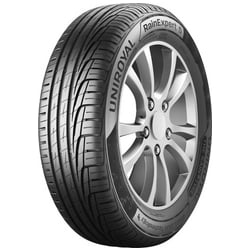
Uniroyal RainExpert 5
The Uniroyal RainExpert 5 is designed for wet conditions, with a strong focus on wet grip performance and the water drainage.
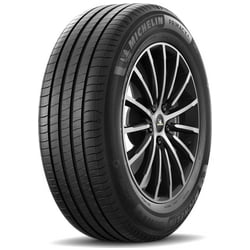
Michelin Primacy 4
The Michelin Primacy 4 places particular emphasis on the braking on wet roads and the longevity of its performance.
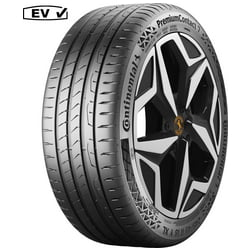
Continental PremiumContact 7
The Continental PremiumContact 7 prioritise precise and safe driving on dry and wet road.
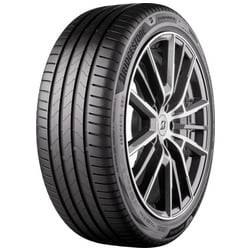
Bridgestone Turanza 6
The Bridgestone Turanza 6 is particularly interesting for its performance on wet road surface and its stability.
6. The sculpture and the drainage of water
The tread pattern plays a major role in the rain. The grooves help to channel water in order to maintain as much contact as possible between the tyre and the road.
However, more grooves do not automatically mean better performance. Block rigidity, the rubber compound and the overall tyre design remain just as important.
The models present in our Top all-season tyres use, for example, tread patterns and rubber compounds to cover a wider range of conditions.
7. Tyre wear and pressure
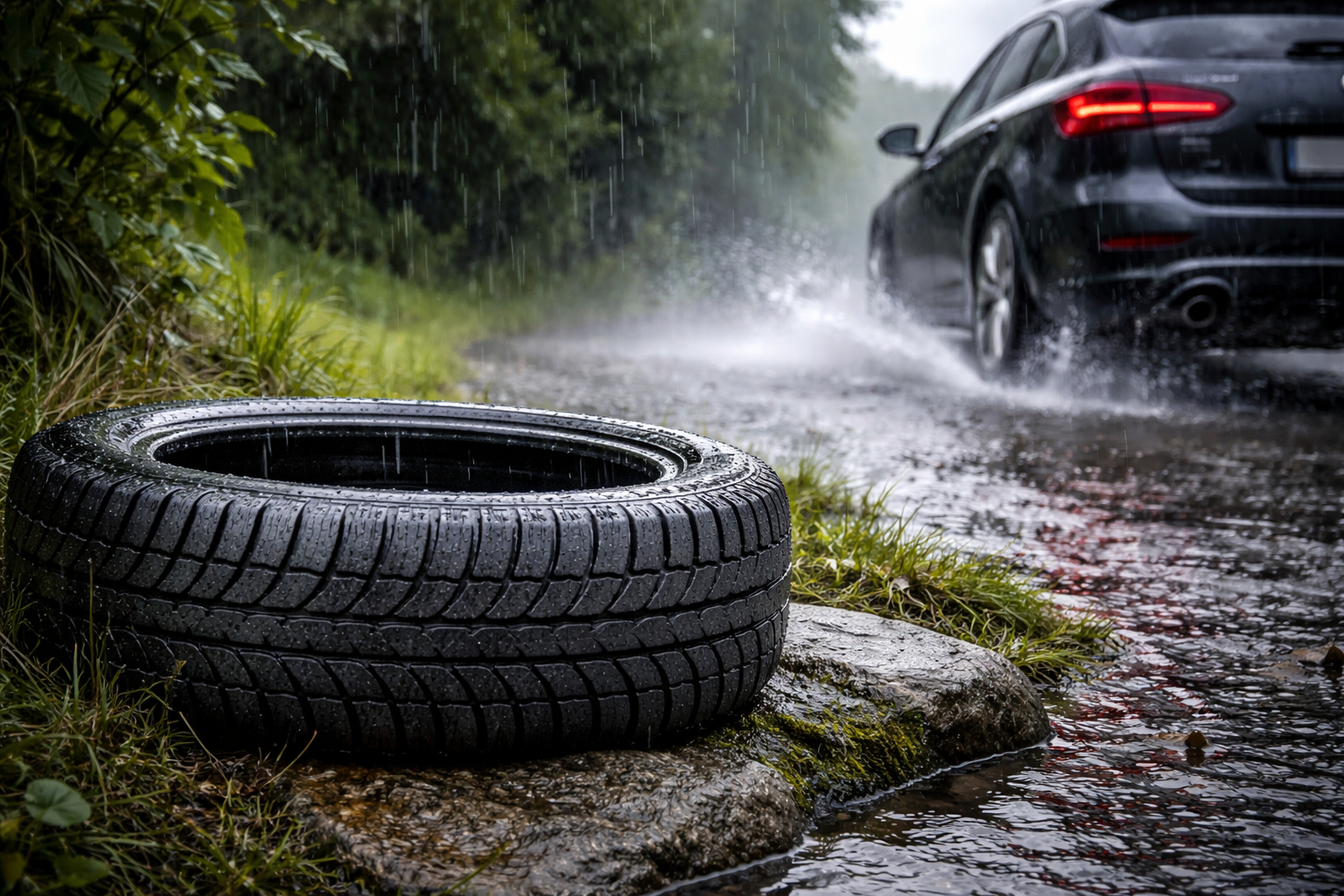
A worn tyre clears water less effectively. As the tread depth decreases, the risk of aquaplaning increases and performance on wet roads may be reduced.
Pay particular attention to:
- the depth of the sculptures ;
- regular tyre wear ;
- cracks or distortions; ;
- the tyre pressure.
Incorrect tyre pressure alters the tyre’s contact patch and affects its performance. Tyre pressure should be checked regularly, preferably when the tyres are cold.
8. How do you use the European label?
The European label indicates in particular the level of’wet grip. It is a good starting point for comparing tyres, but it does not give a complete picture of their overall performance.
Complete it with our top summer tyres, notably to compare performance, braking and wear.
9. Which tyres should you choose depending on how you use your car?
For the city
Prioritise good braking on wet roads and progressive handling.
For the motorway
Stability and resistance to aquaplaning become particularly important at high speeds.
For the winter
When temperatures drop sharply, check our best winter tyres to discover the models designed specifically for cold conditions.
10. Mistakes to avoid
- Choose solely based on price.
- Rely solely on the tyre tread pattern.
- Ignoring tyre wear or pressure.
- Look only at the European label.
- Forget approved dimensions and indices.
Your choice of car tyres You should always take into account your vehicle, your journeys and the conditions in which you are driving.
11. FAQ: tyres and rain
What is the most important criterion in the rain?
The’wet grip is essential, but it must be combined with good braking and good resistance to aquaplaning.
Why is a worn tyre less effective in the rain?
Because shallower tread depths evacuate water present beneath the tyre less easily.
Are all-season tyres effective in the rain?
Some models present in our Top all-season tyres offer very good performance on wet roads. However, you need to compare the models and sizes.
Does pressure affect performance in the rain?
Yes. Incorrect pressure changes how the tyre operates and its contact patch. Consult our tyre pressure advice.
Conclusion
A good tyre in the rain must combine grip, resistance to aquaplaning, effective braking and good water dispersion. Wear and pressure are equally important for maintaining good performance.
Before your next purchase, compare several options and choose a model suited to your vehicle and your journeys.
Find our car tyres available on our website to find the model that suits your needs.