Tyre wear and microplastics: why Europe is going to limit their abrasion with Euro 7
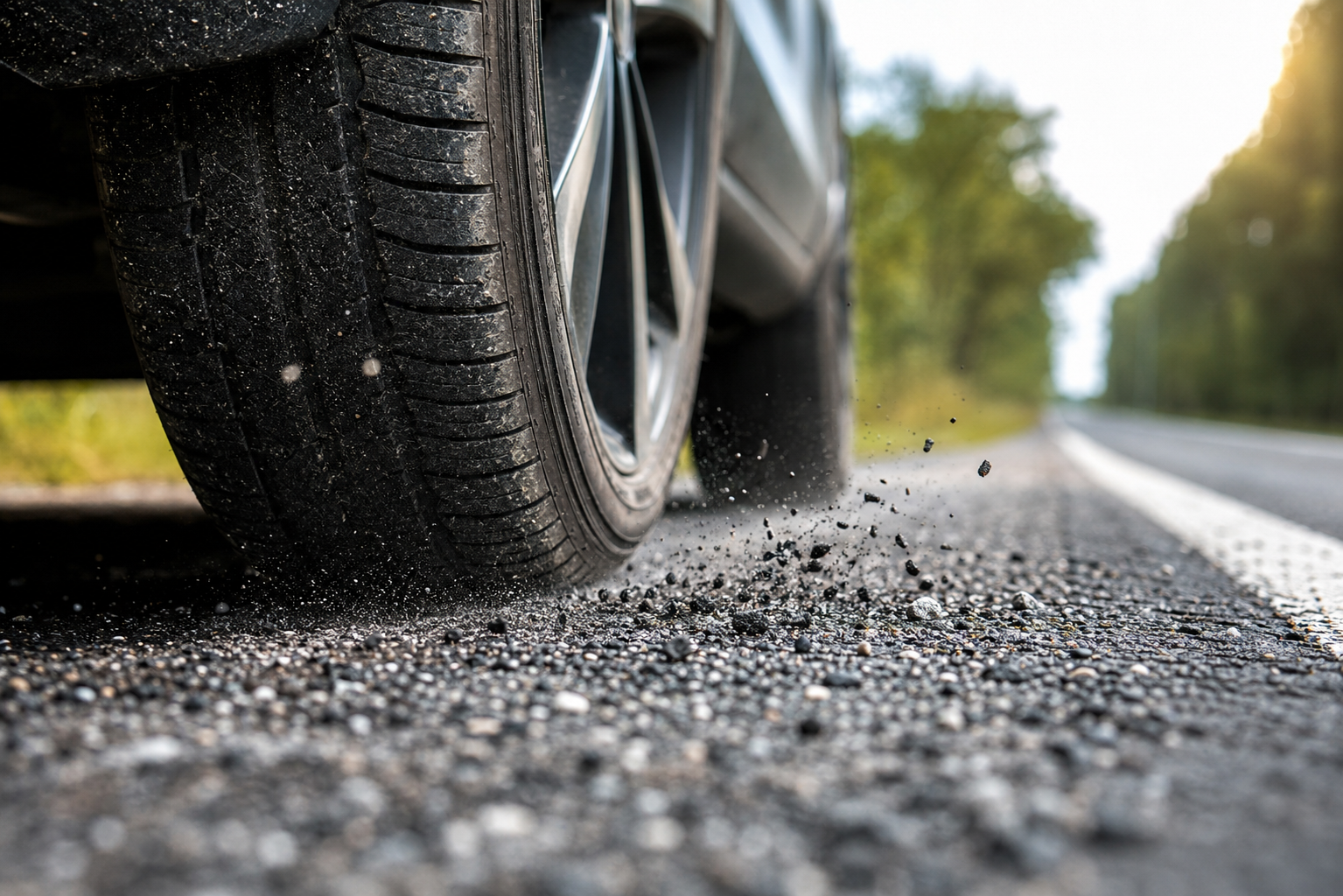
When talking about car pollution, one immediately thinks of the exhaust pipe. However, another source of emissions is now attracting attention: tyre wear in contact with the road. With every kilometre travelled, the rubber gradually wears down and tiny particles can be released into the environment. The issue has become important enough to be included in the new European Euro 7 regulation.
And this evolution is happening rapidly: Euro 7 will begin to apply from 29 November 2026 for new types of cars and light commercial vehicles. But what will that actually change for motorists? And above all, can we already choose car tyres by taking their longevity more into account?
Summary
- The key takeaways
- What is tyre abrasion?
- Why is Euro 7 now looking at tyres?
- When do the new rules come into force?
- 4 tyres to discover on Pneus Online
- Why do some tyres wear out faster?
- Do electric cars wear out their tyres faster?
- Pressure and geometry: two essential parameters
- How to make your tyres last longer?
- Should tyres now be chosen based on their longevity?
- FAQ: tyre wear and Euro 7
The key takeaways
Tyres wear naturally when driving. Friction between the tread and the road surface leads to a gradual loss of material.
This wear depends on numerous parameters:
- the tyre type
- the vehicle weight
- tyre pressure
- driving style
- the road type
- the temperature
- wheel alignment
Therefore, a tyre offering good longevity presents a twofold benefit: space out its replacement and limit the amount of material lost over the kilometres.
2. What is tyre abrasion?
Tyre abrasion corresponds to the gradual loss of material caused by friction between the tyre and the road surface. This is the exact same phenomenon that explains why tread depth decreases over the kilometres.
The particles resulting from this wear are composed in particular of the various materials used in the manufacture of the tyre as well as particles coming from the road surface. The greater the abrasion, the faster the tyre loses material.
3. Why is Euro 7 now looking at tyres?
European Euro 7 regulations widen the issue of car emissions beyond the engine. Particles originating notably from braking and tyre wear are now taken into account. This is a significant development: up until now, Euro standards were mainly known by the general public for the limits imposed on emissions coming from internal combustion engines. With Euro 7, Europe is also focusing on so-called «non-exhaust» emissions, which include particles coming from tyres and brakes.
4. When will the new rules come into force?
The implementation of Euro 7 will be phased. Consequently, not all vehicle categories and tyres will be affected at the same time.
Cars and light commercial vehicles
The first important date for motorists is the 29 November 2026. From this date, Euro 7 will apply to new passenger car and light commercial vehicle types, corresponding to categories M1 and N1. For all new cars and new light commercial vehicles concerned, the application will then take effect from 29 November 2027.
Heavy goods vehicles, lorries and buses
The timetable is later for heavy vehicles.
Euro 7 will apply:
- from 29 May 2028 for the new types of buses, lorries and certain trailers
- from 29 May 2029 for the new vehicles in these categories
And what about the tyres themselves?
The specific timetable regarding tyre wear limits is separate from that of the vehicles.
For C1 category passenger car tyres:
- from 1st July 2028 the new C1 tyre types will have to comply with the new abrasion requirements
- from 1st July 2030 the requirements will be gradually rolled out to this category
5. Tyres to discover
To limit premature wear, the choice of tyre remains essential. Some recent models place a particular emphasis on the longevity, reduction of abrasion, energy efficiency and performance maintenance over time.
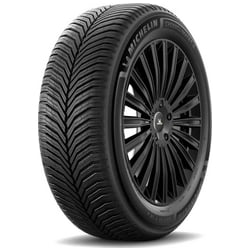
Michelin CrossClimate 3
The Michelin CrossClimate 3 is a premium all-season tyre designed to offer safety and longevity all year round. Michelin places particular emphasis on the lifespan of its tread, whilst maintaining performance over time. Its energy efficiency is also optimised for internal combustion, hybrid and electric vehicles.
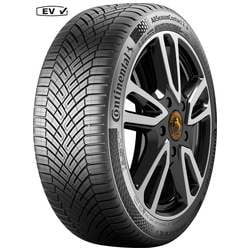
Continental AllSeasonContact 2
The Continental AllSeasonContact 2 is particularly interesting in the context of tyre wear. Its design aims to reduce friction and abrasion, to improve mileage and extend tyre life. It combines this efficiency with versatile year-round use.
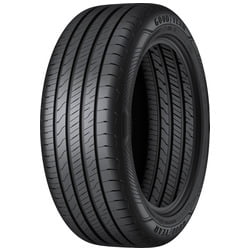
Goodyear Efficient Grip Performance 2
The Goodyear Efficient Grip Performance 2 is a summer tyre that is particularly appealing for drivers looking for longevity, safety and efficacy.
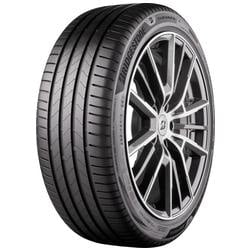
Bridgestone Turanza 6
The Bridgestone Turanza 6 complete this selection with an excellent compromise between mileage, fuel efficiency and wet grip. It is designed to meet the needs of internal combustion engine, hybrid and electric vehicles.
6. Why do some tyres wear out faster?
Two motorists using the exact same tyre model can experience very different lifespans. Why? Because wear depends heavily on usage.
Harsh acceleration and braking
Dynamic driving places a greater demand on the tread. Hard acceleration, repeated braking and fast cornering can increase wear.
Urban journeys
Contrary to what one might think, driving little does not always mean wearing out your tyres little. Urban journeys multiply starts, braking, changes of direction and manoeuvres.
The road temperature
When the road becomes very hot, the tyre rubber is subjected to greater stress. Choosing suitable tyres therefore remains important for driving when temperatures rise.
7. Do electric cars wear out their tyres more quickly?
It is an increasingly frequent question with the development of the electric vehicle fleet.
Electric vehicles have certain characteristics that are likely to influence wear:
- a weight sometimes greater due to the battery
- a couple available immediately
- significant rolling resistance requirements
- increased focus on rolling noise
This does not mean that an electric vehicle will systematically wear out its tyres much faster. Driving style, pressure, alignment and, above all, the choice of a suitable tyre play a decisive role.
8. Pressure and geometry: two essential parameters
Even before looking for the tyre offering the best longevity, two simple checks can prevent premature wear.
Pressure
Incorrect pressure changes the way the tyre sits on the road.
Under-inflation or over-inflation can cause irregular wear and alter vehicle handling. Remember to check your tyre pressure regularly your tyre pressure, preferably cold.
Geometry
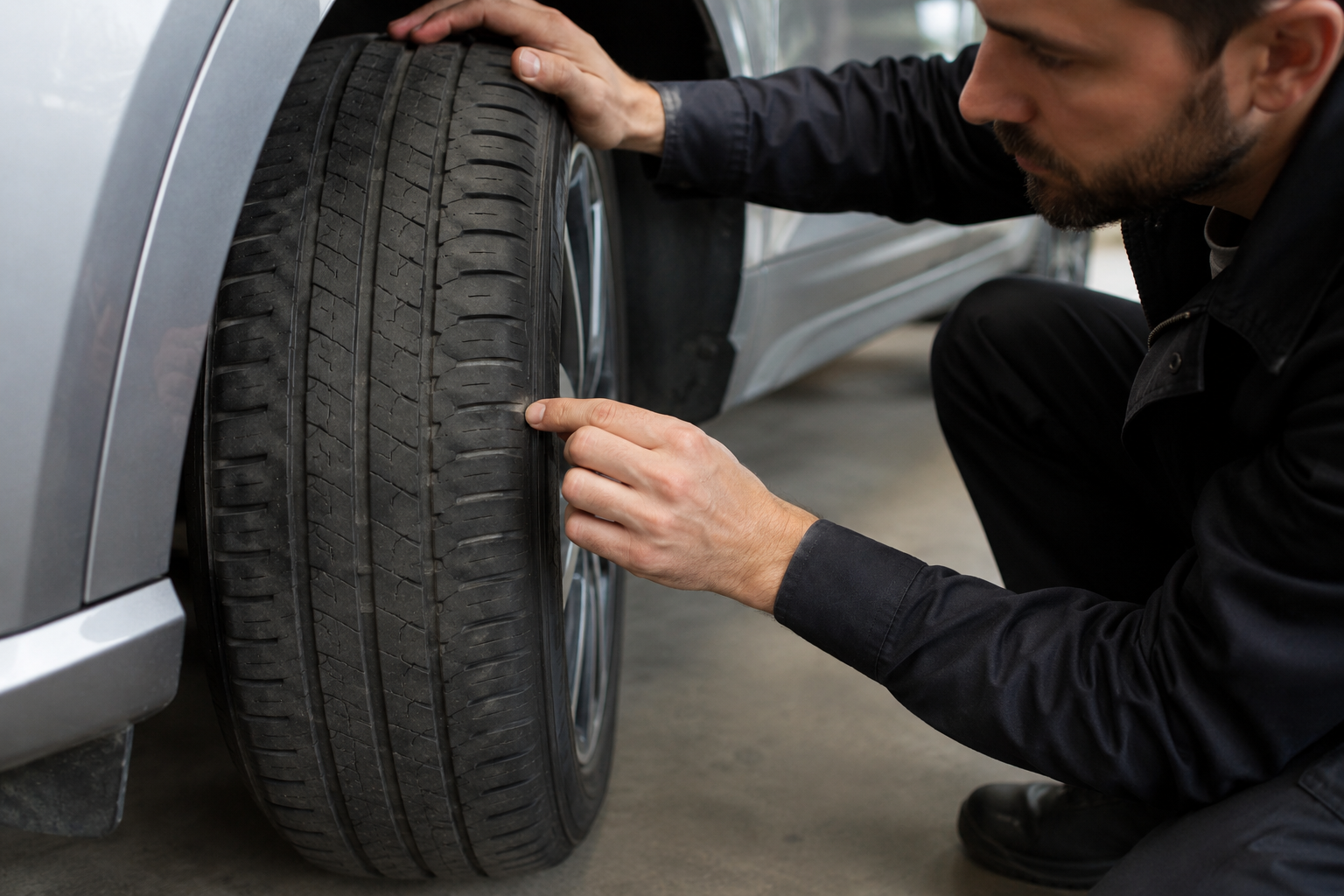
Incorrect wheel alignment can cause very rapid wear on one part of the tread. A tyre that is heavily worn on one side while the rest of the tread pattern still appears to be in good condition should therefore catch your attention.
9. How to make your tyres last longer?
There is no universal mileage that applies to all tyres and all drivers. However, a few habits can help to limit premature wear:
- check the pressure regularly
- avoid unnecessarily sudden acceleration and braking
- have the wheel alignment checked in the event of uneven wear
- monitor the tread regularly
- choose a tyre genuinely suited to the vehicle
Longevity therefore begins as much with the tyre choice than by the way it is used.
10. Should tyre longevity now be the deciding factor when choosing a tyre?
Lifespan clearly deserves to be one of the purchasing criteria. A tyre that is cheaper to buy but needs replacing much sooner is not necessarily the most economical choice.
It can be more relevant to think in terms of cost per kilometre rather than in purchase price alone.
But longevity must never make us forget the other essential criteria:
- wet grip
- Braking
- road holding
- rolling resistance
- sound level
To go further, you can compare the models available in our Top all-season tyres as well as in our top summer tyres.
11. FAQ: Tyre wear and Euro 7
When does Euro 7 come into force for cars?
Euro 7 will start to apply on 29 November 2026 for new types of cars and light commercial vehicles. For all new vehicles in these categories, the scheduled date is 29 November 2027.
And for lorries and buses?
New types of heavy commercial vehicles will be affected from the 29 May 2028. For new vehicles in these categories, application is scheduled from 29 May 2029.
Will Euro 7 ban certain tyres?
Regulations are progressively providing for abrasion limits that new tyre models will have to comply with. It is therefore not a matter of abruptly banning the tyres currently fitted to cars.
When will the tyre abrasion regulations come into force?
For new types of C1 category passenger car tyres, the requirements are laid down from the 1st July 2028.
Is a long-lasting tyre necessarily better?
No. Longevity is an important criterion, but it must be weighed against grip, braking, comfort and the tyre's other performance characteristics.
Why are my tyres wearing out very quickly?
Rapid wear can have many causes: incorrect pressure, geometry, dynamic driving, vehicle weight, abrasive road surfaces or even choosing a tyre unsuited to your use.
How do I know if my tyres are worn out?
Regularly check the depth of the tread patterns and the wear indicators in the tyre grooves. Also check that the wear is even across the entire width of the tread.
Are electric car tyres different?
Certain ranges are specifically developed to respond to the characteristics of electric cars: weight, torque, rolling noise or the pursuit of low rolling resistance.
Conclusion
With Euro 7, tyre wear is becoming a real regulatory issue.
And change is approaching: starting from the 29 November 2026, new types of cars and light commercial vehicles will start to be subject to Euro 7. The question will therefore no longer just be whether a tyre brakes well, consumes little fuel or remains quiet: the amount of material it loses over the miles will also become important.
For the motorist, this development primarily brings a very practical criterion back to the forefront: the actual lifespan of the tyre.
Choosing a suitable model, regularly checking its pressure and monitoring its wear help both to preserve its performance and to space out its replacement. Before your next purchase, therefore, compare not only the performance but also the longevity of the different models.
Find all our tyres available on our website and choose the part number suited to your vehicle and your use.