Tyres and fuel economy: 7 tips to reduce your consumption
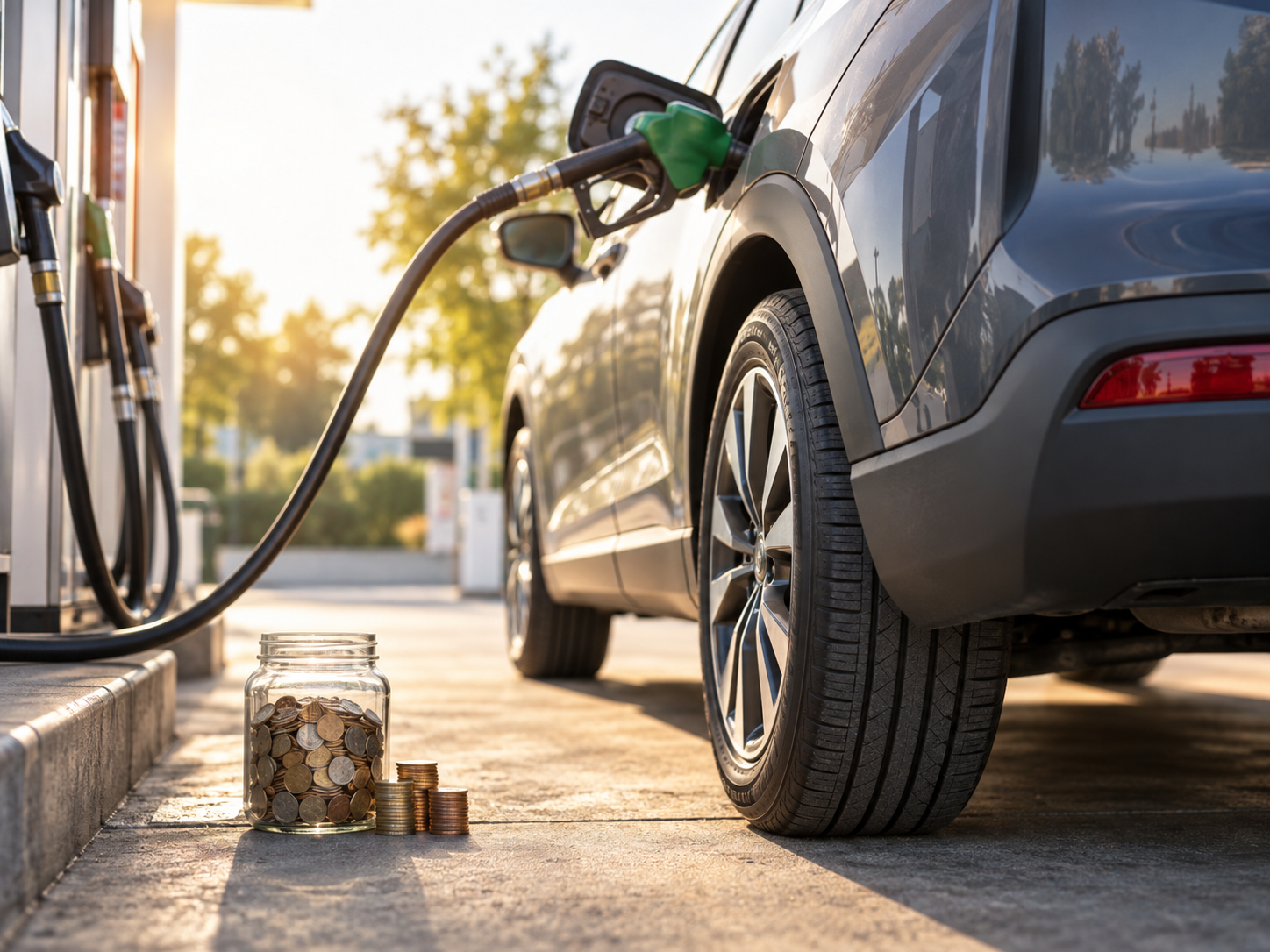
Between daily commutes, the start of the new school year and the general rise in the cost of running a car, many motorists are looking for simple solutions to limit their fuel consumption. People often think of the engine or driving style, but tyres also play an important role. Pressure, rolling resistance, wear and even vehicle load: several factors can influence the amount of energy needed to move your car.
Here are 7 tips to reduce your consumption through your tyres. You can also find all our tyres on our Pneus Online website.
Summary
- Maintain adequate pressure
- Choosing low rolling resistance tyres
- Check wear regularly
- 4 tyres to discover to optimise efficiency
- Adopt a smoother driving style
- Avoid unnecessary charges
- Rotate the tyres whenever possible
- Making the right choice at the time of replacement
- FAQ: tyres and fuel consumption
Maintain appropriate pressure
Tyre pressure is one of the first things to check when looking to limit your fuel consumption. When a tyre is under-inflated, its deformation on contact with the road increases. The vehicle must then provide more energy to move forward. Incorrect pressure can also lead to uneven wear and alter the car's handling.
It is therefore recommended that you check the pressure of all four of your tyres regularly, particularly:
- before a long journey ;
- following a significant change in temperature; ;
- when the vehicle is heavily loaded; ;
- and regularly throughout the year.
2. Choose low rolling resistance tyres
When the tyre rotates, it constantly deforms on contact with the road. Part of the vehicle's energy is used to compensate for this deformation: this is known as rolling resistance rolling resistance.
Manufacturers are now developing tyres capable of limiting these energy losses while maintaining good safety performance.
When choosing your tyres, the’European label forms a particularly useful point of reference.
It makes it possible, amongst other things, to compare:
- energy efficiency ;
- grip on wet road surfaces ;
- the external noise level.
For energy efficiency, tyres are graded from A to E. The closer the rating is to A, the better the tyre's energy efficiency.
Check for wear regularly
Properly maintained tyres contribute to the overall good running of the vehicle. Take advantage of autumn to inspect all four tyres after the trips and long journeys made during the summer.
Check in particular:
- the depth of the sculptures ;
- the condition of the tread ;
- potential heavier wear on one side; ;
- the tyre sidewalls ;
4 tyres to discover to help reduce fuel consumption
Our selection of fuel-efficient tyres
Continental AllSeasonContact 2
The Continental AllSeasonContact 2 is a winter-approved all-season tyre that focuses on versatility and efficiency. Certain sizes feature a B rating, making it an interesting choice for motorists looking to limit energy loss.
Goodyear Vector 4Seasons Gen-3
The Goodyear Vector 4 Seasons Gen3 is an all-season tyre with winter approval. Certain sizes achieve class A or B for fuel efficiency, whilst maintaining good performance on wet roads and in winter conditions.
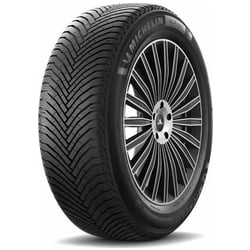
Michelin Alpin 7
The Michelin Alpin 7 is a winter tyre designed to offer good performance throughout the cold season while focusing on energy efficiency. Certain sizes have a B rating for fuel consumption, with wet grip also positioned well.
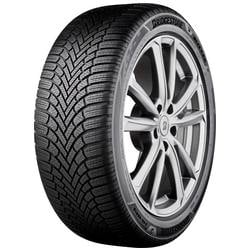
Bridgestone Blizzak 6
The Bridgestone Blizzak 6 is a winter tyre incorporating Enliten technology in particular across numerous sizes, with the aim of reducing environmental impact. Certain references display a class B fuel efficiency rating, complementing their winter performance.
5. Adopt a smoother driving style
Driving style directly influences fuel consumption as well as tyre wear. Very sharp acceleration, heavy braking and repeated changes of direction place more stress on the tread. Conversely, a more progressive driving style helps to better preserve the vehicle's energy.
A few simple habits can help:
- anticipate slowdowns ;
- avoid unnecessary acceleration; ;
- maintain a steady speed when conditions permit; ;
- increase the distance from the vehicle in front; ;
- adjust one's speed to the weather conditions.
6. Avoid unnecessary charges
The heavier a vehicle is, the more energy is required to move it. After the summer holidays, autumn is therefore the ideal time to check what is still stored in your boot. Suitcases, leisure equipment or heavy objects left unnecessarily in the car represent extra weight to carry on every journey.
Rotate the tyres whenever possible
Front and rear tyres do not always wear at the same rate. Weight distribution, the type of transmission, acceleration, braking and driving style can all lead to differences in wear.
In particular, the following must be taken into account:
- front and rear dimensions; ;
- of the tyre rotation direction; ;
- of a potential asymmetrical assembly; ;
- the manufacturer's recommendations.
8. Making the right choice at the time of replacement
When your tyres reach the end of their life, the purchase price is not the only factor to consider. A tyre is used for several thousand miles. Its fuel efficiency, longevity and performance can therefore have an impact throughout its entire period of use.
Before making your choice, be sure to compare the following in particular:
- the energy efficiency class ;
- wet grip; ;
- the model’s longevity; ;
- the dimensions suited to your car; ;
- the load index ;
- the speed rating.
FAQ: tyres and fuel consumption
Does tyre pressure really affect fuel consumption?
Yes. An under-inflated tyre deforms more and increases rolling resistance. It is therefore important to follow the pressures recommended by the car manufacturer.
What is the rolling resistance of a tyre?
This is the energy required to compensate for tyre deformation when rolling. Low rolling resistance helps to limit some of the energy losses when the vehicle is moving.
How can you tell if a tyre is fuel-efficient?
The European label makes it possible, amongst other things, to compare the energy efficiency of tyres. Class A corresponds to the highest level of efficiency in this classification.
Should one choose exclusively an A-rated tyre?
No. Energy efficiency is only one of the criteria to take into account. You also need to compare wet grip, longevity, noise level and, above all, choose a tyre that is compatible with your vehicle.
Do worn tyres necessarily increase fuel consumption?
Wear is not the only factor influencing consumption. Incorrect pressure, faulty geometry or poor maintenance can also lead to additional resistance and uneven wear.
Why check your tyres in autumn?
Temperatures are dropping and weather conditions are gradually becoming more difficult. Early autumn is therefore a good time to check the pressure, wear and general condition of all four tyres.
Can all-season tyres also be fuel-efficient?
Yes. Performance varies depending on the model and size. The European label allows you to compare their energy efficiency in the same way as you would for summer or winter tyres.
Conclusion
Reducing consumption doesn't just come down to the engine or driving style. Pressure, rolling resistance, wear, vehicle load and the choice of tyre can also influence the energy required to make your journeys.
In autumn, it only takes a few minutes to check the condition and pressure of your tyres after your summer journeys. Regular maintenance of your vehicle helps to keep your tyres in better condition, make the most of them and prepare your vehicle for the arrival of winter weather.