When changing tires, we often look at the brand, the size and the tread pattern of the tire. The tire valve It deserves your attention too. This small component contributes to the tire’s tightness: a good-quality tire can lose air if its valve becomes defective.
When it comes to changing to winter tires, here are the points to discuss with your mechanic so you don't forget this discreet detail.
What is the purpose of a tire valve?
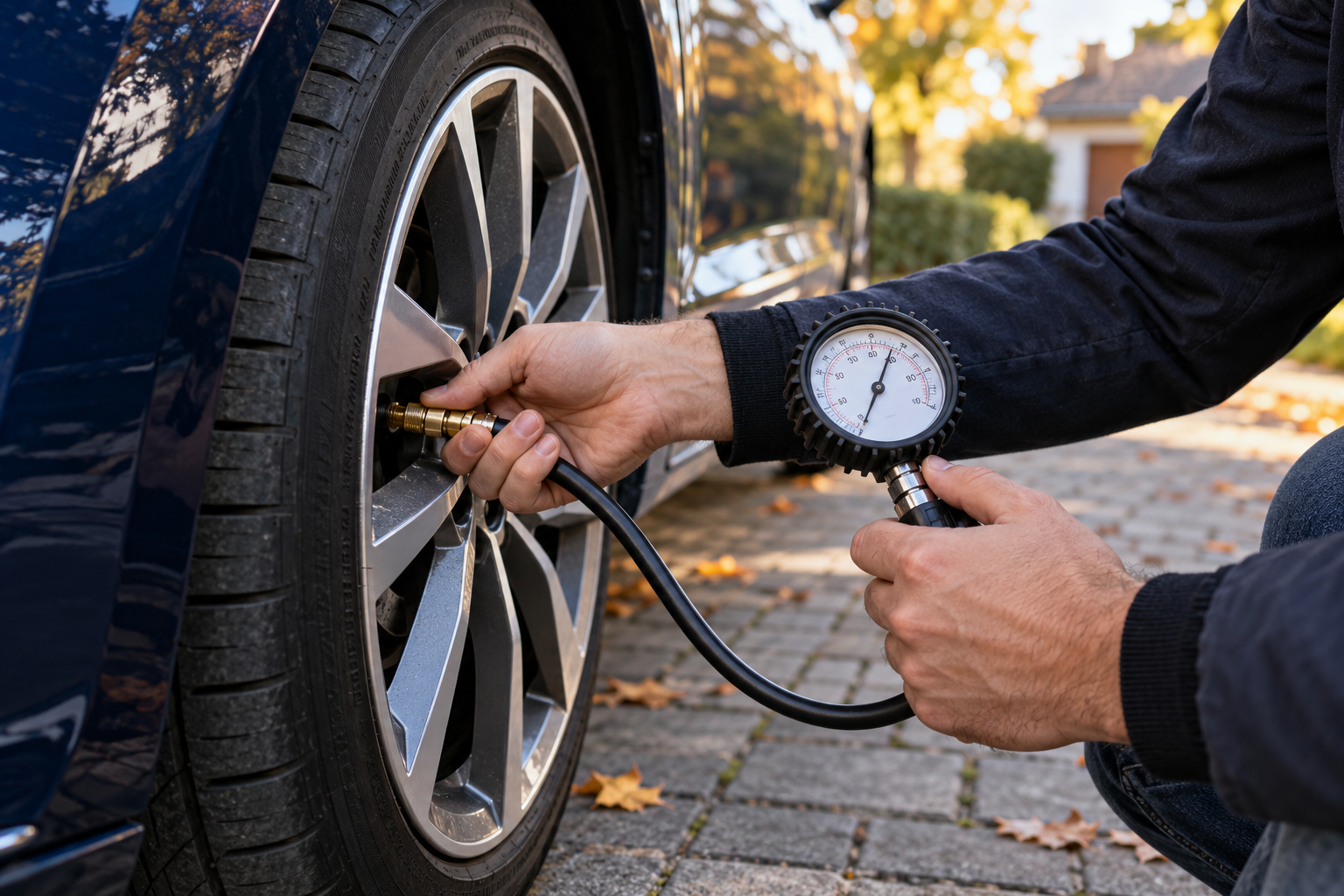
The valve allows the inflator to be connected, the pressure to be controlled and the air to be retained once the operation is complete. Its internal mechanism and seals ensure this closure. The cap protects the entire unit from moisture and dirt; therefore, it should not be considered a mere decorative accessory.
If you notice that a cap is missing, replace it with a suitable model. However, a new cap does not eliminate the need to investigate the cause of the pressure loss.
When should the tire valve be changed?
Rubber ages, even when the car is driven little. A valve can thus lose its seal before the tread wears out. For a conventional rubber valve, fitting a new tire is an opportunity to replace it.
It is also necessary to have it checked if a tire is regularly deflating. However, the valve is only one possible cause: a perforation or a seal failure between the tire and the rim could also be at fault.
With a TPMS sensor, do I need to replace everything?
A valve associated with a pressure sensor requires an intervention adapted to its model. Replacing the tire does not necessarily require the replacement of the complete sensor. According to the design, the valve can be separated from the housing or some wear parts can be replaced.
Maintenance kits can include, among other things, a seal, a nut, a screw, a cap or a valve. Their contents vary: the professional must choose compatible parts and follow the manufacturer’s instructions, particularly the tightening torque values. Single-use components must not be reassembled.
After the intervention, the checks and possible system reset follow the instructions of the vehicle manufacturer. A light that turns on therefore deserves a check.
Good reflexes between two visits to the workshop
- Check the cold pressure once a month and before a long journey, following the values indicated by the vehicle manufacturer.
- Check for the presence of plugs after inflation.
- If a wheel is repeatedly squeaking, ask for a diagnosis rather than settling for just inflating it.
- When changing tires, ask about what is included for the valves and, if your car is equipped with them, for the TPMS maintenance kits.
Delegate the replacement to a trained professional. To prepare for your appointment, keep this simple question in mind: « Are the valves or their sealing parts included in the intervention?»
TPMS tires and valve to prepare your equipment
When replacing tires for the winter, take the opportunity to have the valves checked. Here are two winter sets and an electronic valve offered on Pneus Online, To be examined according to your vehicle and your needs.
Winter tire
Bridgestone Blizzak 6
A winter tire range to compare with for your next tire change, in the approved dimensions of your vehicle.
Winter tire

Firestone Winterhawk 4
Another winter range to discover according to your routes, your size and the characteristics of the version you are looking for.
TPMS ELECTRONIC VALVE

TPMS electronic valve TPMS Platin
A valve and pressure sensor assembly, offered with or without programming depending on the option chosen. Have it confirmed for compatibility and the assembly procedure with a professional before ordering. For Tesla, the site offers a separate Hamaton option.
From the welcome screen, open the section Equipment, Then TPMS electronic valve to view the product and its options.
For tires, please enter your dimension on the Auto Tires page, then search for the range. Check the load and speed indices and markings appropriate for your routes. Price, availability, and options are to be consulted at the time of ordering. The inspection of a valve does not require the replacement of the tire or the complete sensor: ask the technician for a diagnosis.