Rain and aquaplaning: good reflexes for your tires
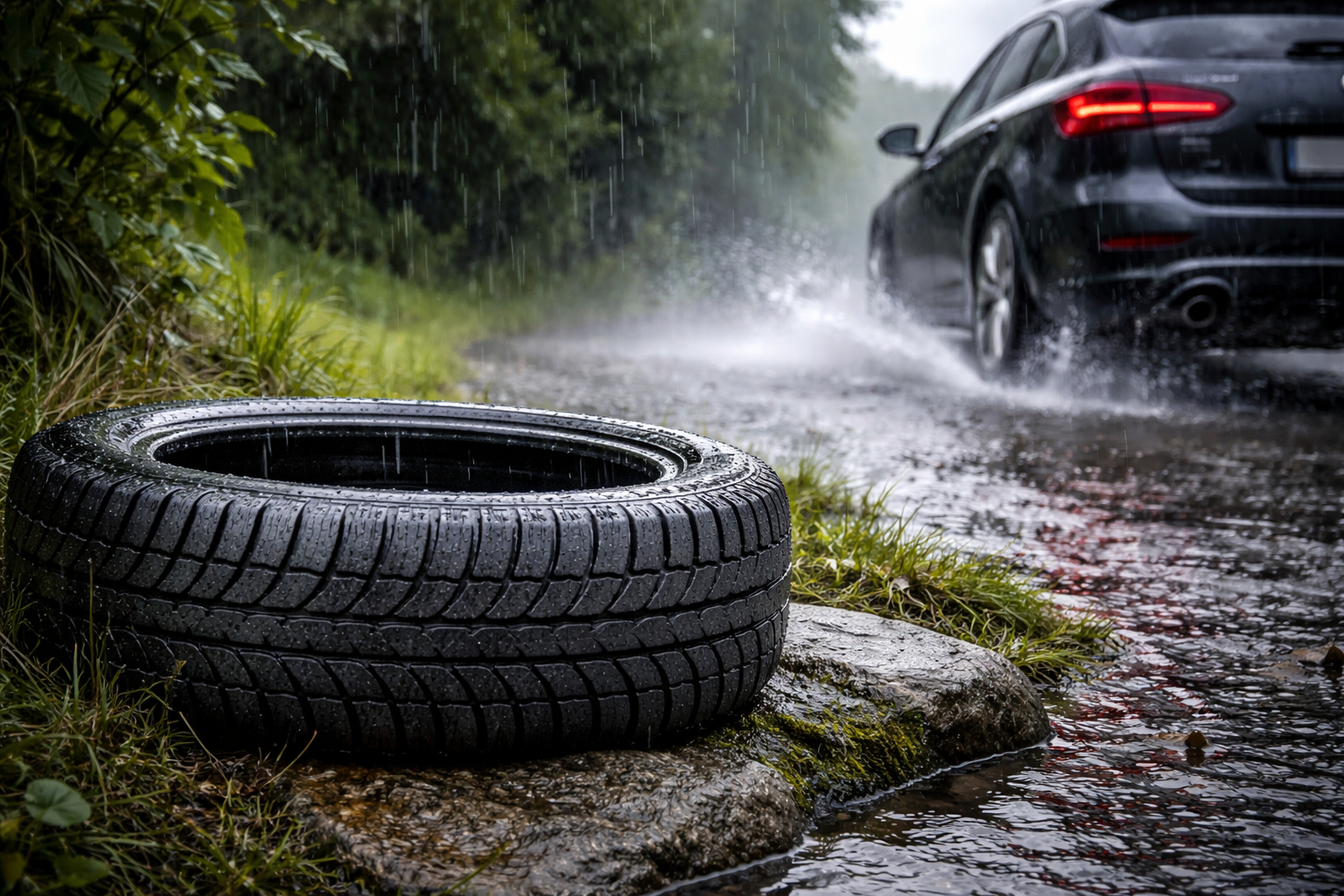
A downpour on the highway, water in the ditches, projections that obscure visibility… The rain transforms an ordinary journey into an exercise in anticipation. Even before talking about the brand or model, your tires deserve a few minutes of attention.
How to limit the risk of’aquaplaning What to look for on a tire label? And what checks to perform before a trip?
Summary
1. Aquaplaning: when water gets between the tire and the road
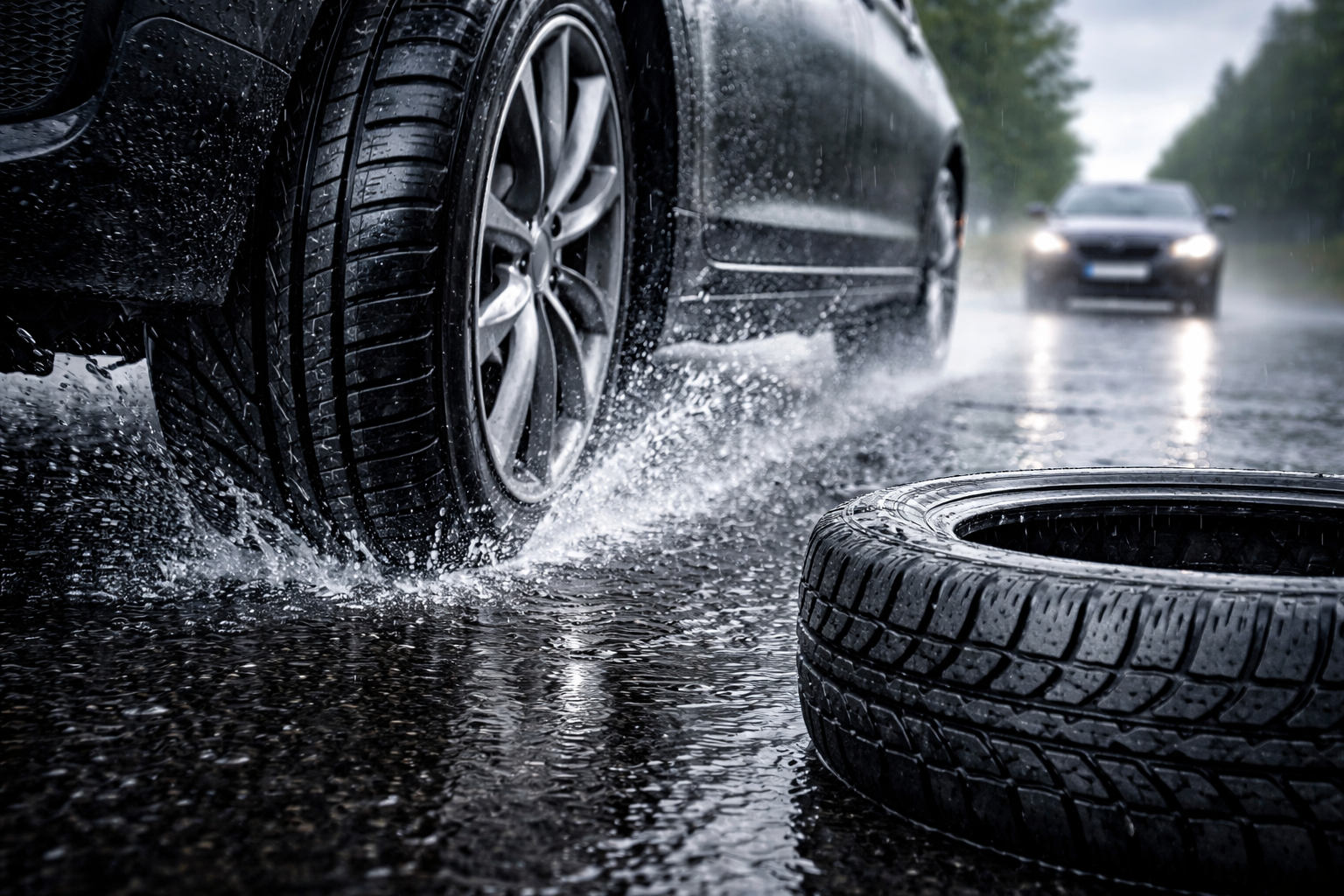
Aquaplaning occurs when a film of water separates the tire from the road surface. Contact decreases or disappears: the car then responds less well to steering and braking. The grooves are used to evacuate the water, but their capacity is not unlimited.
Speed, water quantity and tire condition They play a role in this phenomenon. There is therefore no single speed below which aquaplaning would be impossible. Any accumulation of water deserves your attention, even on a familiar road.
To remember
A new tire does not make a car impervious to aquaplaning. Adapting its handling remains essential, regardless of its equipment.
2. Under the rain, anticipation makes the difference
Reduce your speed when conditions deteriorate and increase the space with the vehicle in front of you. Look far ahead to spot areas where water is accumulating and avoid sudden changes in direction.
If the car starts to aquaplaning, Slowly release the accelerator and maintain a steady direction. Avoid sudden steering and braking. Once grip is restored, continue at a reduced speed adapted to the road surface.
3. Three simple checks before setting off
The pressure: start from the manufacturer's recommendation
Check the cold pressure at least once a month and before a long journey. Use the values indicated for your vehicle, taking into account the load. These are usually found on a vehicle label and in its manual.
Don't choose a «special rain» tire at random. The manufacturer's recommendation remains the right starting point. To prepare for a weekend with passengers and a full trunk, also check the recommended value for this configuration.
Wear and tear: inspect several places
Check the main grooves and wear marks on the four tires. Worn tread patterns drain water less well. Irregular wear deserves professional inspection: simply looking at the outer part of the tire is not enough.
General condition: also observe the flanks
Any deformation, cut or visible damage should prompt you to have the tire checked before continuing your normal use. Take advantage of the inspection to note any repeated vibration or loss of pressure and report it to the professional.
4. European label: the wet does not say everything
On a sheet of car tyres, The rain pictogram accompanies the adhesion class on wet ground. The current scale ranges from A to E, Corresponding to the best class.
This criterion concerns, in particular, braking on wet roads. However, it does not constitute a note of resistance to aquaplaning. It also does not summarize the entire tire behavior under all conditions.
The correct order for comparison
- Select an approved dimension for the vehicle.
- Check the load and speed indicators.
- Read the label for the exact reference.
- Supplement with relevant characteristics and tests for its use.
The characteristics can vary from one dimension to another, even within the same range.
5. Choose your tires for all your trips
Rain is an important criterion, but it is not enough to choose between an all-season tire, an all-weather tire, or a four-season tire. First, take stock of your environment: do you drive throughout the year in the same region? Do your trips regularly take you to winter conditions?
To compare without getting distracted, prepare a short list: approved dimensions, season you are looking for, budget and priorities. You can then review the options. tires available in your size with identical criteria.
An example: for a car used on a daily basis, start with your actual journeys, then compare several compatible models. The model chosen by a close friend for another car is not automatically the right answer for yours.
6. Two 4-season tires to discover
If a 4-season model suits your needs, here are two references from the catalog to consider. This selection is a starting point for comparison, not a ranking against aquaplaning. Check the label and the specifications in your dimension.
All-season tyre
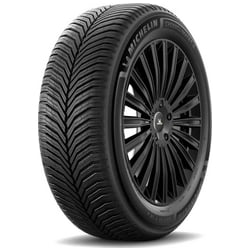
Michelin CrossClimate 3
A reference to consult for your all-season tire search. Check the availability and characteristics of the tire suitable for your car.
All-season tyre
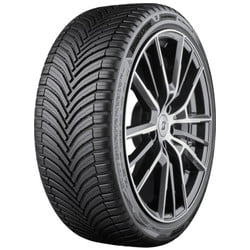
Bridgestone Turanza All Season 6
Another way to compare a multipurpose treadmill is to examine the label of the exact product and the dimensions offered before making your choice.
7. Mistakes to avoid in the rain
Relying solely on the brand
Compare the exact reference and its dimensions, not just the manufacturer's name.
Confusing braking note and protection against aquaplaning
A good class on wet ground never excuses you from adapting your speed.
Waiting for departure to see the condition of his tires
Anticipation allows time to request a check, compare prices and arrange the assembly if necessary.
Ordering with an incomplete dimension
Prepare the complete marking and check the compatibility with the vehicle's requirements.
8. FAQ: rain, tires and aquaplaning
Do new tires prevent aquaplaning?
No. They do not eliminate the risk associated with speed and the water present on the road surface. Driving must remain adapted to the conditions.
Is a tire rated A on wet roads necessarily the best against aquaplaning?
No: the label does not directly measure resistance to aquaplaning. Use it as a comparison criterion among others.
Should the pressure be adjusted when it rains?
Respect the pressure recommended by the manufacturer for your vehicle and its load. Do not improvise a setting based on the weather.
Where to start to buy new tires?
Obtain the approved dimensions and the required markings, then go to the Auto tire page from Pneus Online. You can compare the references that match your search.
For your next trips: check, anticipate, compare
Before a rainy season, take the time to check your tires and prepare for your trips. If a replacement is necessary, compare references compatible with your car, season, and routes.
Your next tires start with the right size
Explore the ranges on Pneus Online and find the models suitable for your vehicle.