Tyre particles: a current environmental and health issue
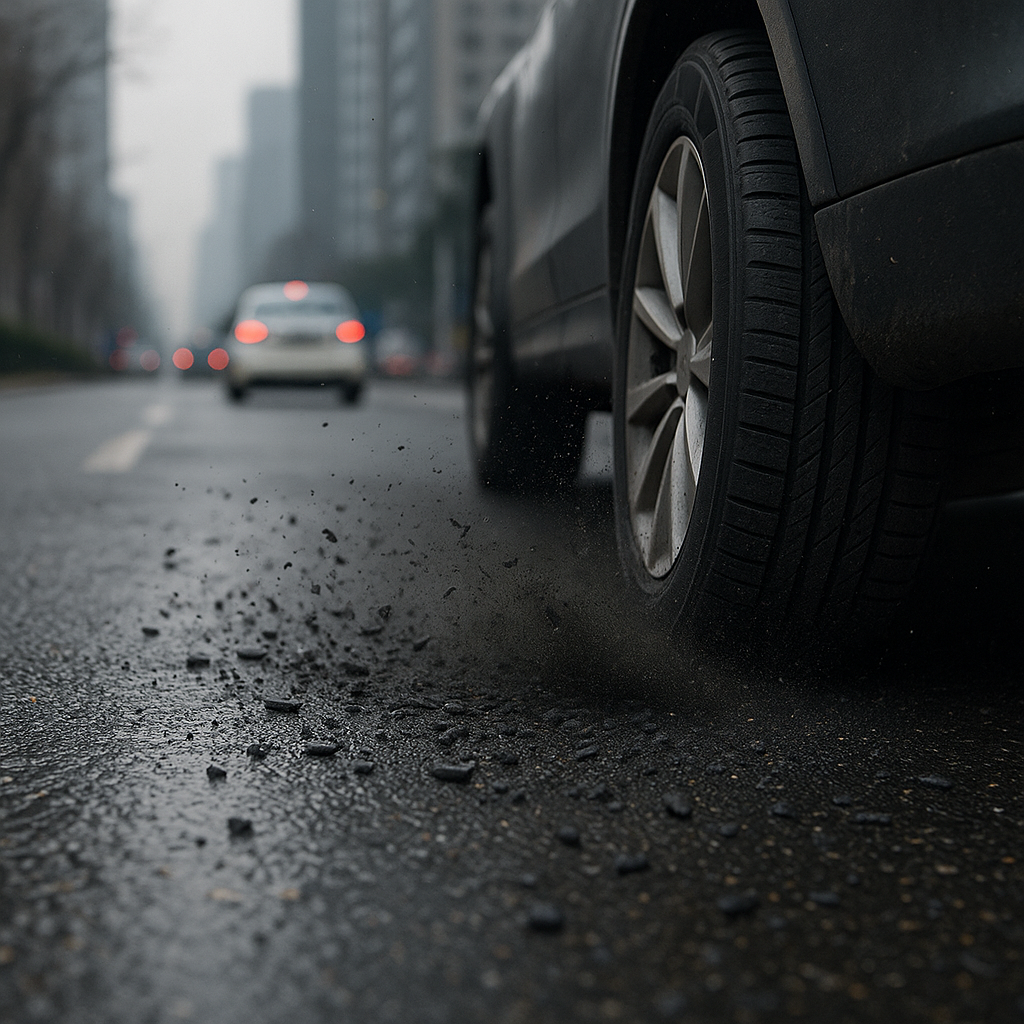
Tyre particles represent today one of the main sources of microplastics in the environment. Long neglected in favor of CO₂ or particulate emissions from engines, they are now at the heart of concerns among scientists, public authorities, and motorists alike.
In this article, we explain What are tire particles, Their impacts on Health and the environment, as well as the possible solutions to reduce emissions.
What are tire particles?
With each trip, your tires rub against the asphalt. This friction, called tire abrasion, detached from tiny fragments of rubber that form the tyre particles. Most of the time, these fragments are invisible to the naked eye.
These particles are composed of:
- Synthetic and natural rubber,
- silica and carbon black,
- zinc and other chemical additives used to improve the performance of the tire.
Once released, tire particles settle on the road surface, become suspended in the air or are carried by rain. They end up in the soils, les rivers and, in the long run, in the oceans, where they contribute to the pollution by microplastics.
An invisible but massive problem
The tire particles are not visible, but the figures show the scale of the phenomenon:
- The tires would be responsible for 28 to 34 % of the microplastics found in the oceans, according to several studies.
- Globally, it is estimated that 6 million tons of tire particles are issued every year.
- These residues are Degrade very slowly and accumulate in the environment, where they can enter the food chain.
It is this combination of invisibility, volume and persistence that makes tire particles a major environmental issue.
The impacts on health
When they remain suspended in the air, tire particles are classified as fine particles (PM10 and PM2.5). Their small size allows them to penetrate deeply into the respiratory tract.
The potential health effects include:
- Irritation of the respiratory tract and worsening of the’asthma or of bronchitis,
- increased risk of cardiovascular diseases, Especially in vulnerable people,
- transport of potentially toxic chemical compounds which can interact with other pollutants.
While research continues to be conducted to better understand all the mechanisms involved, the scientific consensus is in favor of a Increased vigilance against these particles resulting from the wear of tires.
The environmental impacts
Pollution of soil and water
Once deposited on the ground, tire particles can infiltrate the soil. phreatic nappes. They release chemical substances there that they permanently pollute terrestrial and aquatic ecosystems.
Marine microplastics
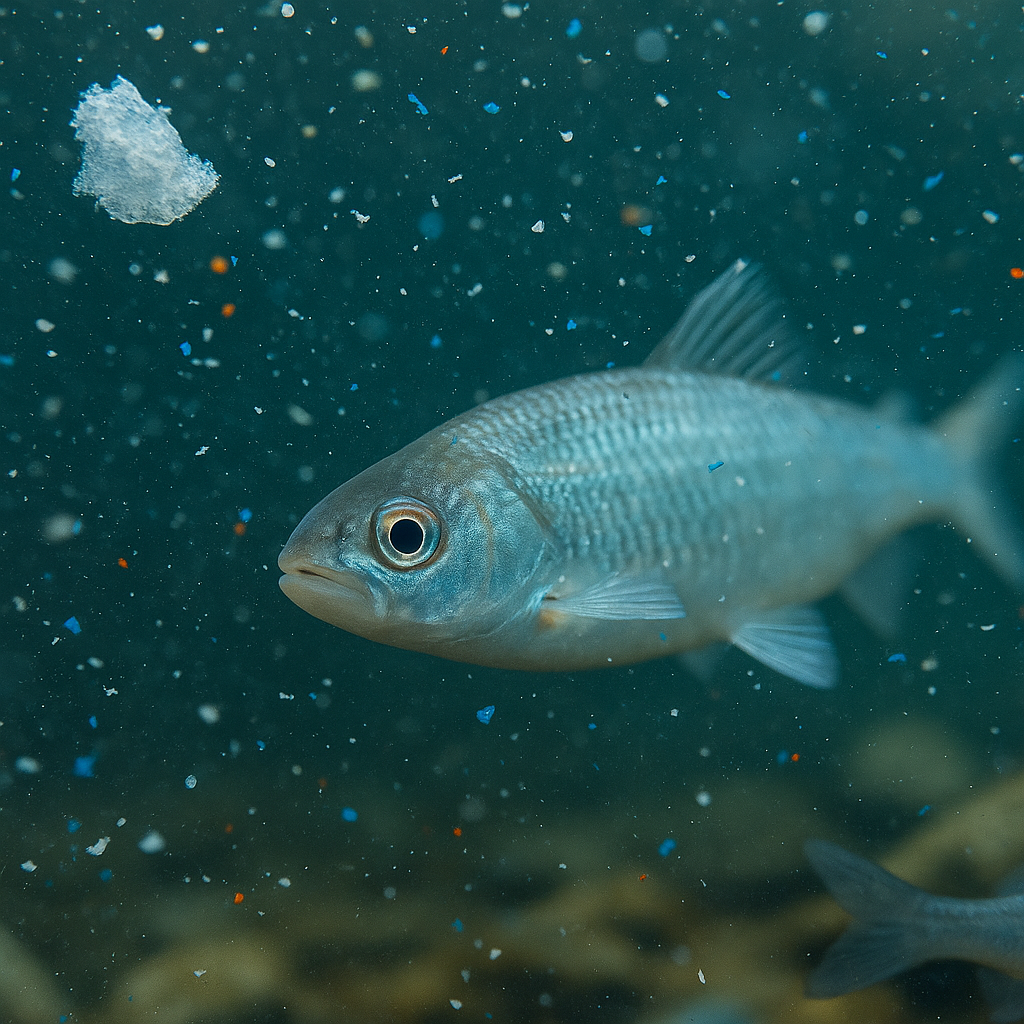
By joining the rivers and then the sea, the tire particles become marine microplastics. They are then ingested by:
- a Plankton,
- socks fish,
- socks shells and other marine organisms.
These microplastics can thus travel up the food chain all the way to the human plate.
Disruption of biodiversity
Certain substances derived from tires, such as 6PPD-quinone (a product of the processing of an antioxidant used in tires), are suspected of being toxic to certain aquatic species, In particular, some salmon species. This type of discovery reinforces concerns about the impact of tire particles on the environment. biodiversity.
What is the tire industry doing?
Faced with the rise in environmental concerns, the tire industry is working to reducing the impact of wear particles.
Research into new materials
Manufacturers are exploring new ways to make tires more durable and less polluting:
- Formulations of more durable rubber to abrasion,
- use of’more environmentally friendly additives,
- Development of rubber derived from Vegetable resources as the Russian licorice or guayule.
European standards to come
The’European Union plans to integrate the tyre particles in the regulations on vehicle emissions by 2030. The goal is to better regulate and limit abrasion generated by the tires in order to reduce their overall impact.
Environmental labeling
Several projects envisage one Environmental labeling of tires, including in particular:
- a level of abrasion,
- a volume of tire particles generated per kilometer.
This would allow consumers to more easily compare the environmental impact of different models and brands.
What can motorists do to reduce tire particulates?
While industrial innovation is essential, each driver can also act to limit the wear of its tires and therefore the production of particles.
1. Inflate your tires properly
One Under-inflated tyre They wear out faster, consume more fuel and emit more particles. Regularly check the pressure of your tires and follow the manufacturer’s recommendations.
2. Adapt your behavior
Smooth driving prolongs the lifespan of your tires. Avoid:
- socks brutal accelerations,
- socks Violent braking,
- the Excessive speed which greatly increases abrasion.
3. Choose quality tires
The premium tyres and the New generation models They are often designed to offer better durability and reduced wear. Although their purchase price may be higher, they can be more economic and ecological over time.
4. Reduce the number of kilometers traveled
Less kilometers, that’s mechanically possible less wear and tear and therefore fewer particles emitted. When possible, prioritize:
- socks Public transport,
- a carpooling,
- the march or bicycle for short trips.
FAQ: Everything you need to know about tire particles
What exactly are tire particles?
Tyre particles are tiny fragments of rubber and chemical additives released during contact between the tire and the road. They are among the main sources of microplastics in the environment and disperse into the air, soil, and aquatic environments.
Are tire particles dangerous to health?
Yes, when they remain suspended in the air, tire particles can be inhaled. They are classified as fine particles (PM10 and PM2.5) and can worsen respiratory problems (asthma, bronchitis) and contribute to certain cardiovascular pathologies.
Do electric cars also emit tire particles?
Yes. Regardless of the type of propulsion system (thermal, hybrid or electric), tire wear generates particles. Electric vehicles can even be heavier than thermal vehicles, which can increase tire wear if the tires are not chosen appropriately.
How can I reduce my tire particulate emissions?
To limit your emissions, ensure that your tires have the correct pressure, adopt a smooth driving style, choose quality tires, and limit your motorized travel when possible. These actions reduce wear and tear, emissions, and your environmental impact.
Are «green» or eco-friendly tires really better?
So-called «green» or eco tires are designed to reduce fuel consumption and sometimes wear and tear. However, their performance depends on each model and each manufacturer. It is recommended to consult the labeling and independent tests to choose a tire that combines safety, longevity, and reduced environmental impact.
Conclusion: An issue to be taken into account from today
Tyre particles represent a Major environmental challenge, which is still little known to the general public. At a time when the plastic pollution and the microplastics Scientists and authorities are increasingly concerned; this issue is prompting builders, politicians, and consumers to take action.
At Pneus Online, We are closely following these developments in order to’inform and of adviser Our customers are turning to more tire choices durable and responsible. By combining industrial innovation and everyday gestures, it is possible to significantly reduce the impact of tire particles on health and the environment.
In this capacity, you can find our commitments regarding the environment: https://www.tyres-pneus-online.co.uk/our-commitments-for-the-planet.html