Rain and cold: how to prepare your tyres for winter?
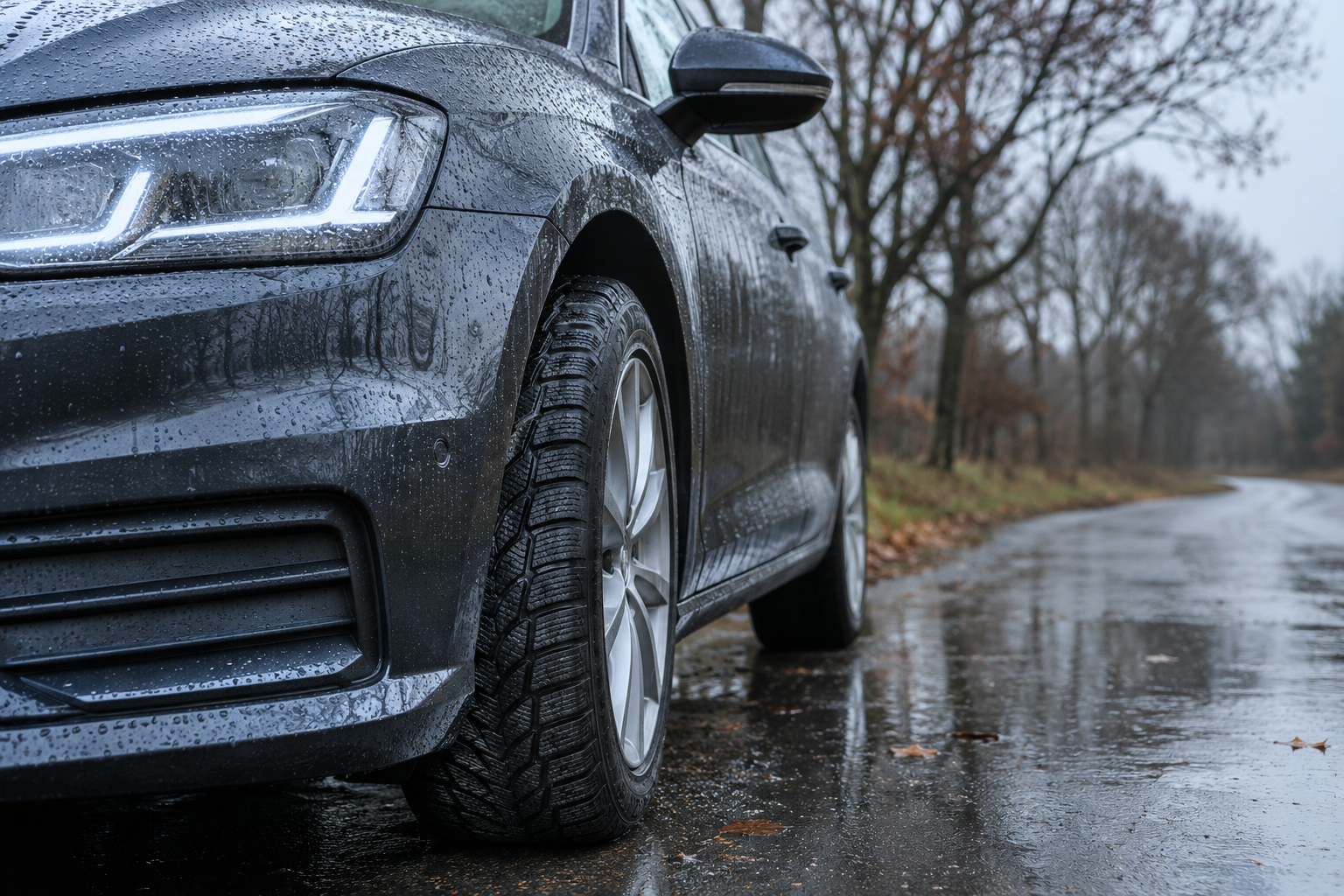
Preparing your tyres for winter also means preparing for rain. Late-November journeys involve more than snow: wet roads, standing water and falling temperatures are good reasons to check your equipment. Before a trip or tyre replacement, use these checks and compare four winter tyre ranges in the correct size.
Rain and cold: two factors to consider together
Choose winter tyres around all your journeys. Describe a typical week: urban driving, motorways, early starts and trips at altitude. This list helps you compare models against your actual needs rather than one sales claim.
Wet-road performance deserves particular attention. Continental explains in its guide to aquaplaning that water building up between the tyre and the road can cause a loss of contact. Speed, standing water and tread condition affect this risk. Even with recent tyres, slow down and leave more space to other vehicles in rain.
Three checks before preparing your tyres for winter
1. Check the pressure under the right conditions
Cold weather can reduce tyre pressure. Michelin recommends monthly checks, as well as checks before long journeys or when heavily loaded. Measure with cold tyres and use the vehicle’s recommended pressures for its load, shown in its documentation or on its label. Another car’s pressure may not suit yours. See the Michelin guide to winter tyre pressure.
2. Inspect the tread and general condition
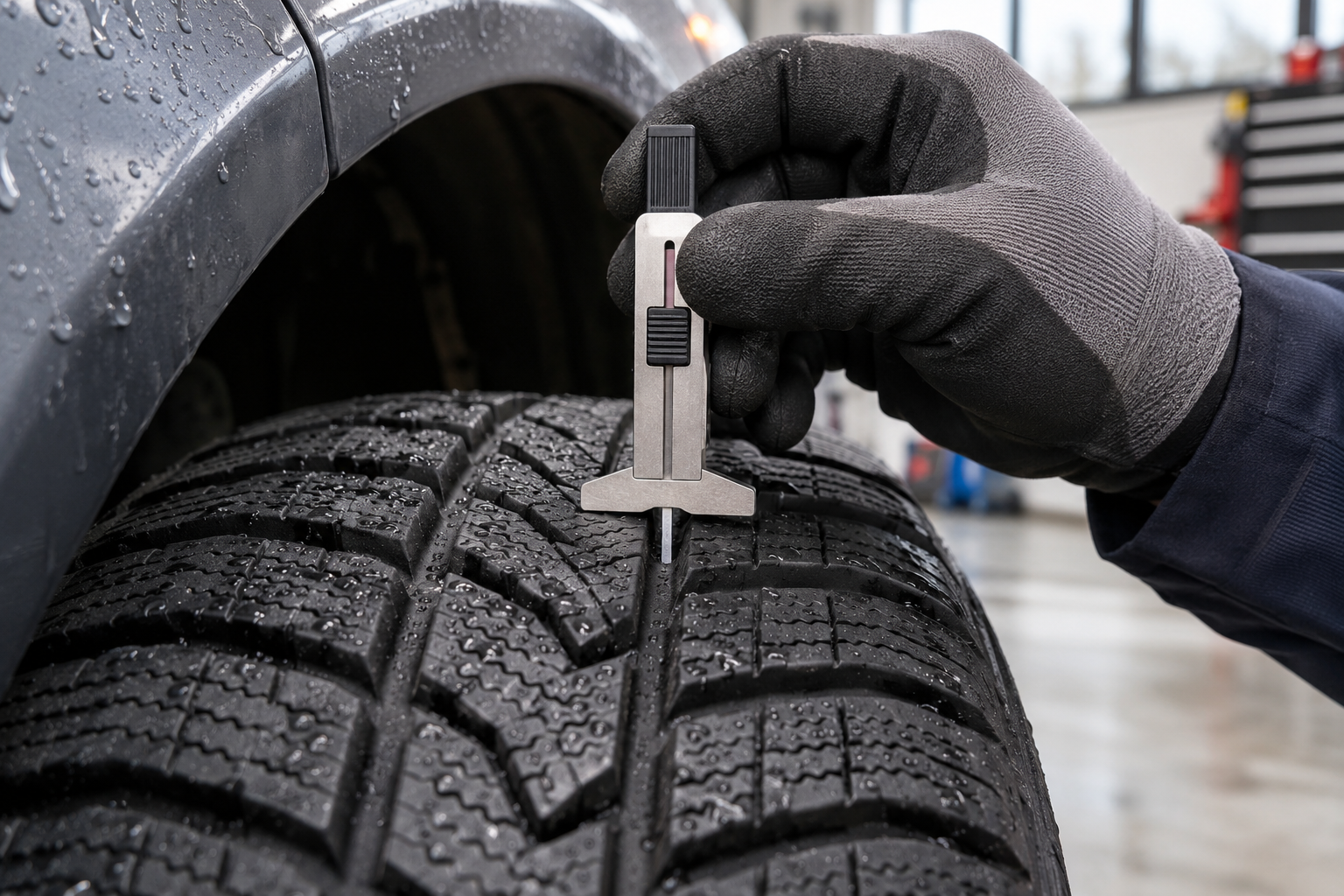
Inspect all four tyres and have the tread depth measured at several points. Uneven wear, cuts, bulges or repeated pressure loss call for professional inspection. Grooves help disperse water, so their condition matters on wet roads. Check local requirements and suitability for your winter journeys separately.
3. Identify the exact tyres fitted
Note the complete size, load and speed ratings and any specific markings. Photos of the sidewall and pressure label can help when requesting a quote. If considering another fitment, have its compatibility with the vehicle, wheels and equipment confirmed.
On wet roads, every tyre requires you to adapt your driving
In its aquaplaning guide updated in October 2026, Michelin advises reducing speed in heavy rain, watching for standing water and switching off cruise control. If grip is lost, avoid sudden movements and ease off the accelerator gradually. An abrupt change of direction can make matters worse.
Four winter tyre ranges to compare
Here are four ranges available through Pneus Online. This selection is not an aquaplaning-resistance ranking. The links open the model ranges: check the approved size, ratings, markings, availability and exact version’s specifications. Not every range is offered in every size or market.
Pirelli Cinturato Winter 3
Start with your tyre size, then compare the ratings and label for the version offered. The range name alone does not identify the tyre suited to your car.
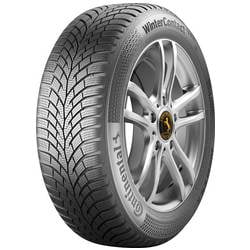
Continental WinterContact TS 870
Check the full model name before comparing offers: the TS 870 and TS 870 P are distinct models. Note the size and ratings of each version too.

Goodyear UltraGrip Performance 3
Look at the versions offered in your approved tyre size. For performance comparisons, find a test in that size and examine wet-road and winter results separately.
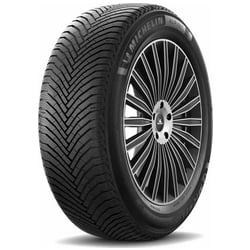
Michelin Alpin 7
Check the chosen version’s specifications, availability and fitted price. Include your journeys, mileage and vehicle equipment in the comparison.
A simple way to compare offers
- Gather the starting details: vehicle, approved tyre size, ratings and driving needs.
- Compare equivalent versions: same size, compatible specifications and comparable fitting services.
- Read tests in detail: focus on your intended size and distinguish dry-road, wet-road and winter results.
- Calculate the fitted cost: ask for the price of four tyres with the necessary services and the fitting appointment lead time.
For more advice, read our article to understand the 2026 winter tyre tests and our guide to preparing for daily winter journeys.
Frequently asked questions
Does a winter tyre prevent aquaplaning?
No tyre can rule it out. Water depth, speed, wear and pressure still matter. Always adapt your speed to the conditions.
Should you increase tyre pressure whenever it gets cold?
Start by measuring with cold tyres and follow the vehicle’s recommendations. Measurement conditions and load matter: ask for advice if unsure rather than applying a fixed adjustment every time.
Which tyres should I choose for mostly rainy journeys?
Consider all your driving conditions, then compare compatible versions and their wet-road results. Check the equipment requirements in the countries and regions you will cross too.